Follow TNGB
ICE Agents Dine at Mexican Restaurant Before Detaining Staff


Federal immigration enforcement took an unexpected turn in a small Minnesota city this week, drawing scrutiny to the methods employed by authorities. What began as a routine lunch for four agents escalated into a confrontation that highlighted tensions in community relations. Eyewitnesses described a scene where ordinary diners transformed into symbols of a larger national debate on immigration policy.
In the quiet town of Willmar, located about 80 miles west of Minneapolis, the family-owned El Tapatio restaurant became the focal point of this incident. Reportedly, the agents arrived just before 3 p.m. on January 15, 2026, and took seats in a booth. Staff members appeared visibly unsettled by their presence, according to an anonymous witness who spoke to local reporters.
The meal concluded without immediate incident, but the day’s events were far from over. As the restaurant closed around 8:30 p.m., agents allegedly followed departing employees in their vehicles. Less than a mile away, near a local Lutheran church and Willmar Middle School, three workers were detained amid shouts from bystanders.
Broader Implications of Enforcement Actions
This episode unfolds against the backdrop of heightened immigration operations in the region. The Department of Homeland Security launched Operation Metro Surge in December 2025, deploying approximately 3,000 officers to the Minneapolis-St. Paul area. Officials describe it as the largest immigration enforcement initiative in the agency’s history, aimed at addressing public safety concerns.
State and local governments have pushed back, filing lawsuits that claim the operation constitutes unlawful retaliation. Minnesota, along with the cities of Minneapolis and St. Paul, argue that the surge terrorizes communities, disrupts schools, and affects workplaces. Court documents highlight fears among residents, particularly in immigrant-heavy neighborhoods.
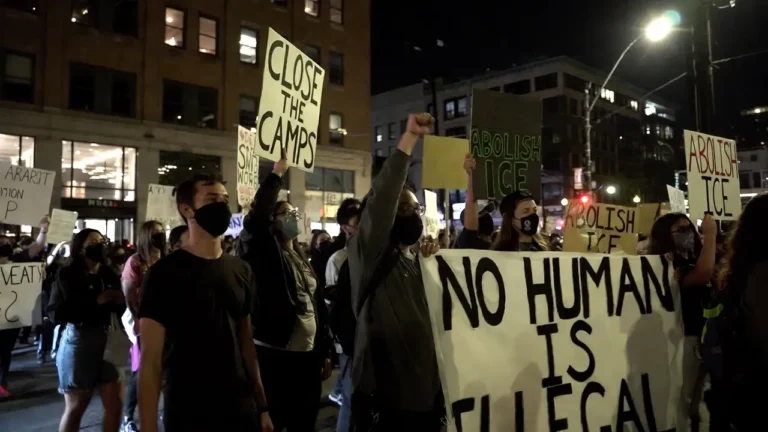
The timing of the Willmar detentions follows a tragic event on January 7, 2026, when an ICE agent reportedly shot and killed 37-year-old Renee Nicole Good during a protest. That incident, involving agent Jonathan Ross, sparked widespread demonstrations and calls for accountability. Protests led to business closures and public declarations against cooperating with federal agents.
Community leaders express concern over the psychological impact on local populations. In nearby St. Paul, owners of migrant-run establishments report agents circling their properties in unmarked vehicles. One business owner told reporters that staff reductions and hour cuts became necessary due to pervasive fear.
Community Responses and Similar Incidents
Reactions in Willmar mirrored broader sentiments across Minnesota. Bystanders at the detention site blew whistles and voiced disapproval. One individual allegedly questioned the agents directly, asking if their mothers would approve of their actions. Such public outcry underscores the divide between enforcement priorities and community values.
Similar encounters have surfaced in other locations. At a St. Paul eatery, Cancun Mexican Grill & Cantina, patrons confronted entering agents, demanding warrants and urging them to leave. Video footage captured the tense exchange, where diners shouted phrases like “Take off your mask” as officers exited.
In south Minneapolis, a pizzeria incident involved neighbors and workers repelling what they perceived as an unauthorized entry attempt. The establishment later raised funds for affected families, demonstrating solidarity. These stories illustrate a pattern of resistance, with some restaurants explicitly denying service to identified agents.
Further afield, a Michigan sandwich shop owner publicly declared a ban on serving ICE personnel, coupling the announcement with a community food program. This blend of defiance and generosity reflects efforts to reclaim agency amid uncertainty.
Ongoing Debates and Official Stances
Federal authorities maintain that their actions target individuals posing risks to public safety. A recent ICE press release detailed arrests of those convicted of serious crimes, emphasizing protection for communities. Director Todd M. Lyons stated that operations continue despite opposition, focusing on removing long-standing threats.
Critics, however, question the tactics’ proportionality and humanity. Lawsuits allege violations of due process and selective enforcement. No specific details have emerged regarding the immigration status of the detained El Tapatio workers, and DHS has not responded to inquiries about the incident.
As Minnesota grapples with these developments, the state remains on edge. Signs proclaiming “ICE Out Now” appear in windows, and local officials offer support, such as waiving impound fees for vehicles abandoned during arrests. The interplay between federal mandates and local resilience continues to shape the narrative.
Media reporting for this story: 62% Left | 18% Right | 15% Center | 5% Unrated
FYI, I add facts to stories that often miss them. Join our Substack for ad-free updates on immigration enforcement or become a reporter and report any immigration enforcement developments yourself.