Follow TNGB
Federal Agents Confront U.S. Citizens on Minneapolis Streets for Identification

MINNEAPOLIS, Jan 16 (TNGB) – Federal immigration agents have intensified operations in the Twin Cities area, leading to multiple reports of encounters where individuals are stopped and asked to provide evidence of their legal status. Residents describe these interactions as unexpected and intrusive, occurring in public spaces such as parking lots and neighborhoods. Advocacy groups argue that such tactics raise serious questions about civil liberties and potential violations of constitutional protections.
Videos circulating online capture these moments, showing agents approaching people and insisting on identification. In one instance, a man was reportedly detained for hours despite presenting valid documents, only to be released without charges. Legal experts point out that U.S. citizens are not obligated to carry proof of citizenship at all times, and stops must be based on reasonable suspicion rather than arbitrary checks.
The Department of Homeland Security maintains that these actions are part of targeted enforcement against individuals with criminal records or immigration violations. However, community members and local officials contend that the scope appears broader, affecting bystanders and citizens alike. This discrepancy has fueled debates over the balance between security measures and individual rights.
Legal Challenges and Community Response
The American Civil Liberties Union has filed a lawsuit against federal agencies, alleging unlawful stops and racial profiling in Minnesota. The complaint details cases where agents reportedly targeted people perceived as Somali or Latino, detaining them without warrants. Plaintiffs include U.S. citizens who claim they were held despite asserting their status and offering identification.
Minnesota’s Attorney General has also initiated legal action, documenting incidents at airports and public works sites where employees were questioned about their citizenship. These suits seek to halt what they describe as suspicionless interrogations, arguing they infringe on Fourth Amendment rights against unreasonable searches and seizures.
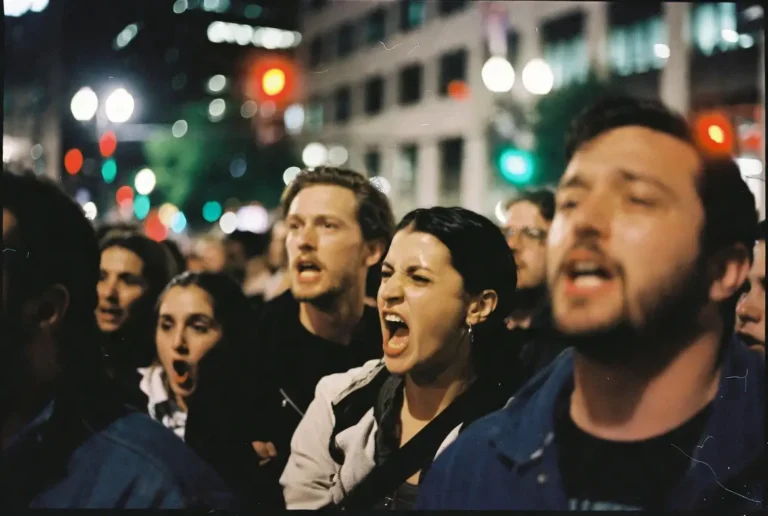
Local communities have organized protests in response, with demonstrations outside federal buildings highlighting fears of overreach. Activists reportedly emphasize that these operations create an atmosphere of intimidation, particularly in diverse neighborhoods like Cedar-Riverside. City officials have provided resources for residents, including guidance on rights during encounters with immigration authorities.
Official Defenses and Broader Context
Homeland Security Secretary Kristi Noem has defended the operations, stating that agents may ask for identity verification from those near enforcement targets. She reportedly urged Americans to carry proof of citizenship, framing it as a precautionary measure during active investigations. Critics counter that this advice implies a shift toward mandatory documentation, which lacks legal grounding.
The surge in federal presence follows the Trump administration’s directives to crack down on immigration violations, with over 2,000 arrests reported in Minnesota since late November. Incidents of force, including shootings during arrests, have escalated tensions, prompting comparisons to military occupations by some residents.
Experts note that while immigration enforcement is a federal responsibility, the methods employed must adhere to constitutional standards. Reports from outlets indicate that some stops lack the required probable cause, leading to wrongful detentions of citizens. This has sparked calls for greater oversight and transparency in agent conduct.
Impacts on Daily Life and Future Implications
Daily routines in Minneapolis have been disrupted, with people reporting hesitation to venture out without documents. One resident allegedly witnessed agents questioning drivers at electric vehicle charging stations, all of whom were people of color. Such accounts suggest a pattern that could erode trust between communities and law enforcement.
Advocates stress the importance of knowing one’s rights, advising calm assertion of citizenship and requests for legal counsel if detained. Educational sessions by organizations like the Immigrant Law Center of Minnesota aim to empower affected populations.
As legal battles unfold, the situation in Minneapolis serves as a potential bellwether for similar operations elsewhere. Observers warn that unchecked expansions of enforcement could set precedents affecting civil rights nationwide, urging vigilant monitoring by policymakers and the public.
Media reporting for this story: 47% Left | 18% Right | 27% Center | 8% Unrated
FYI, I add facts to stories that often miss them. Join our Substack for ad-free updates on Minneapolis immigration enforcement or become a reporter and report any Minneapolis immigration enforcement developments yourself.