Follow TNGB
Trump’s Border Czar Declares Minnesota Safer as Crackdown Ends Amid Turmoil

- Federal surge ends after 4,000+ arrests.
- Protests led to two U.S. citizen deaths.
- Officials tout success despite backlash.
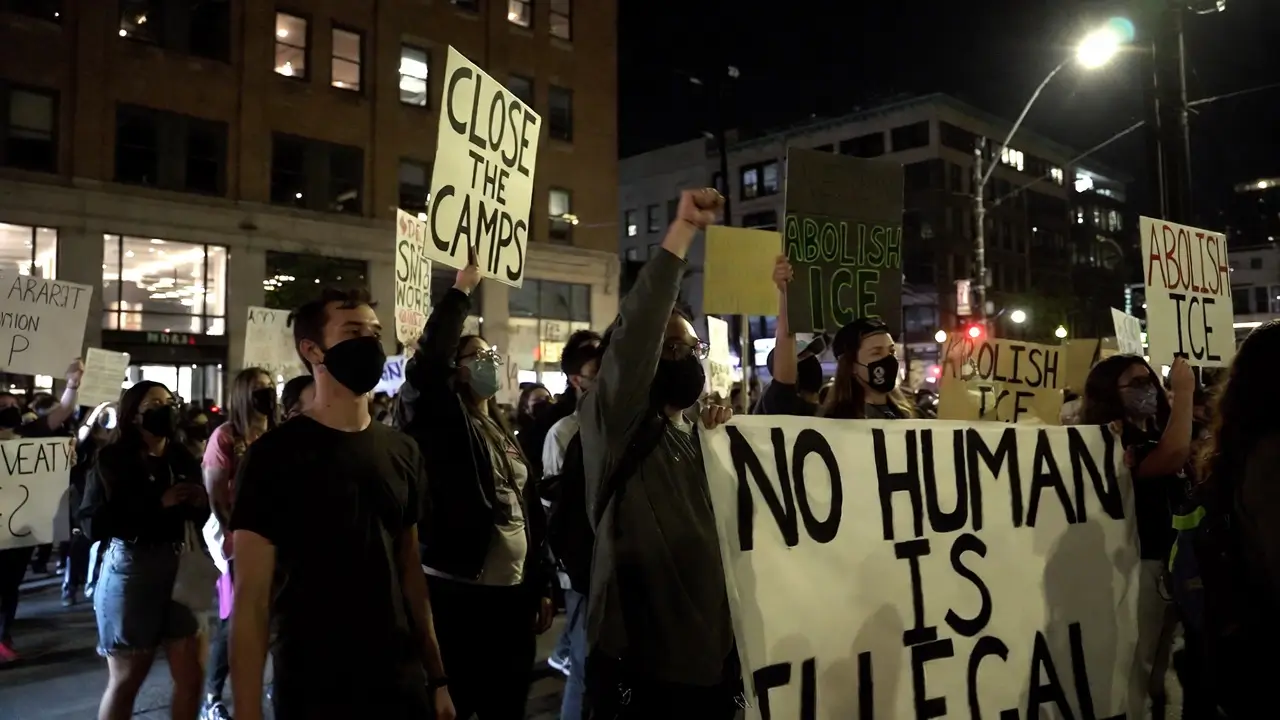
Federal officials wrapped up Operation Metro Surge, a major immigration enforcement push centered on the Minneapolis-St. Paul metropolitan area. Initiated in December under the Trump administration, this effort reportedly involved thousands of agents and targeted undocumented individuals with criminal backgrounds. However, it quickly escalated into confrontations that drew national attention, including violent clashes between protesters and law enforcement. Over two months, the operation allegedly detained people without prior records, sparking debates on its scope and methods.
The announcement came from border czar Tom Homan during a press conference in Minneapolis. He reportedly described the initiative as a triumph, stating that Minnesota now stands as less of a sanctuary for criminals due to enhanced local cooperation. Homan highlighted the removal of 700 agents last week, with the remaining forces set for phased withdrawal. This move aligns with broader national deportation goals promised by President Trump.
The drawdown begins immediately.
News junkies, journalists, and content creators tired of posting into the void: one reporter used the Become a Reporter system to go from 0 to over 12 million monthly views on Threads with no ads and no big following. Get the full free case study now.
Origins and Scope of the Operation
Operation Metro Surge marked the largest immigration enforcement action in U.S. history, according to Department of Homeland Security descriptions. It deployed over 2,000 heavily armed federal officers to root out what officials termed dangerous criminal aliens. Yet reports indicate many arrests involved individuals lacking criminal histories, including children and American citizens mistakenly detained. The focus remained on urban neighborhoods with high immigrant populations, leading to workplace raids and traffic stops that disrupted daily life.
Critics argued the tactics mirrored aggressive policies from prior Trump terms but amplified in scale. Local jails reportedly began holding more deportable inmates, aiding federal efforts without direct confrontations. This shift allegedly reduced the need for sustained agent presence, though initial resistance from state authorities complicated operations.
Tensions boiled over quickly.
Reasons for Termination
The decision to end the surge stemmed from its growing volatility and political distractions for the administration. Unlike similar actions in Chicago and Los Angeles, which proceeded with less unrest, Minnesota’s operation faced intense backlash. Two fatal shootings of U.S. citizens, Renee Good and Alex Pretti, by federal agents in January intensified scrutiny and calls for accountability. These incidents reportedly prompted internal reviews and external pressure from civil rights groups.
Homan reportedly emphasized unprecedented collaboration in recent weeks as a key factor, allowing for efficient deportations without large-scale federal involvement. He stated that President Trump concurred with concluding the surge, framing it as a strategic pivot rather than a retreat. Despite this, a new poll shows most Americans view Trump’s immigration policies as excessive.
Backlash proved decisive.
Community and Political Reactions
Minnesota Governor Tim Walz welcomed the announcement but urged vigilance during the withdrawal. He reportedly labeled the crackdown an unnecessary and unconstitutional assault on the state, predicting a long recovery ahead. Walz highlighted Minnesotans’ resilience, noting their decency and toughness in facing federal overreach. Local activists echoed relief but warned of ongoing struggles, with one leader stating that deaths and family separations cannot be forgotten.
Minneapolis Mayor Jacob Frey posted on social media about the community’s enduring resolve. He reportedly asserted that love for neighbors outlasted the occupation, portraying resistance as a core American value. Progressive groups like Indivisible Twin Cities organized protests throughout, amplifying voices against the tactics.
Reactions varied widely.
Lasting Impacts
The operation allegedly inflicted significant damage on Minnesota’s economy and immigrant communities. Businesses reported losses from disrupted workforces, while families dealt with separations and fear. State officials anticipate lingering effects on trust between residents and law enforcement. Homan reportedly reaffirmed commitment to nationwide mass deportations, suggesting similar surges elsewhere.
A full drawdown could occur next week, per discussions with state leaders. This closure reportedly eases immediate tensions but raises questions about future federal-state relations in immigration matters.
Healing will take time.
Media reporting for this story: 42% Left | 28% Right | 22% Center | 8% Unrated