Follow TNGB
Trump’s Reckless Venezuelan Tanker Grab Risks Wider Conflict

In the choppy waters off Venezuela’s coast, a dramatic predawn operation unfolded that should give every American pause. Reportedly, U.S. forces from the FBI, Homeland Security, the Coast Guard, and the Defense Department boarded the oil tanker Skipper without a shot fired, securing a federal warrant to claim its cargo of 1.1 million barrels of Venezuelan crude. This vessel, previously known as the Adisa and slapped with U.S. sanctions in 2022 for ferrying Iranian oil to groups like Hezbollah and Iran’s Revolutionary Guards, had just loaded up at Venezuela’s Jose port days earlier. President Donald Trump wasted no time boasting about the haul, dubbing it the “largest one ever” and musing casually that the U.S. would simply “keep it, I guess.” Venezuela’s government fired back swiftly, branding the move “blatant theft” and “an act of international piracy,” vowing to rally international bodies to defend its sovereignty and natural resources.
At first glance, this might seem like a tidy win in the endless game of sanctions enforcement, a crackdown on shadowy networks evading global rules. The Skipper’s rap sheet is long and damning: over the past two years, it has shuttled nearly 13 million barrels of sanctioned Iranian and Venezuelan oil, including shipments to China and even Syria to prop up Bashar al-Assad’s regime. It has a habit of broadcasting fake locations to dodge trackers, masquerading as if it were off Guyana while docked right under Venezuelan noses. No one disputes the tanker’s role in fueling illicit trades that undermine international stability. Yet, as with so many of Trump’s foreign policy gambits, the devil lurks in the execution and the motives, turning what could have been a multilateral effort into a unilateral power play that reeks of old-school gunboat diplomacy.
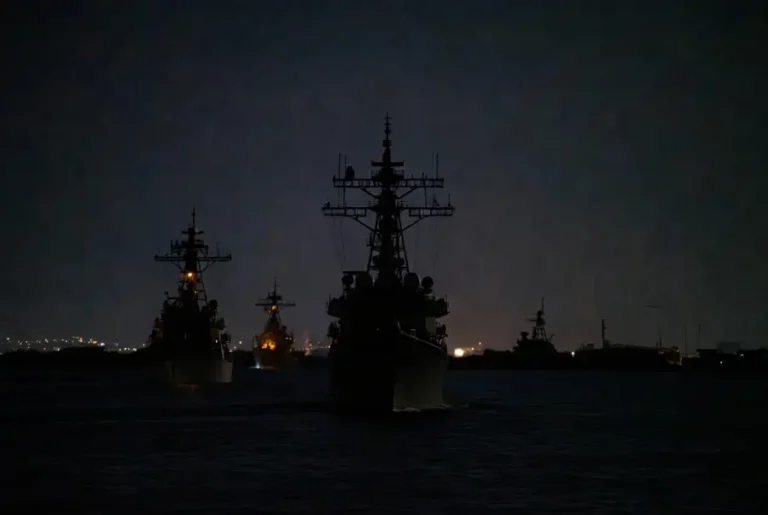
Consider the backdrop. Since reclaiming the White House, Trump has ramped up a military buildup in the Caribbean, deploying thousands of troops, warships, and aircraft under the guise of a drug war. Over 20 strikes on suspected narco vessels have left more than 80 dead, often without clear evidence or due process, drawing fire even from legal experts who question their compliance with international law. A bounty on Venezuelan President Nicolas Maduro’s head now sits at $50 million, and whispers of CIA ops swirl in the air. Maduro, for his part, insists this is all a pretext to plunder Venezuela’s vast oil reserves, a charge that lands harder when you factor in America’s own voracious energy appetites. Chevron, that bastion of U.S. corporate interests, just ramped up exports from Venezuela to 150,000 barrels a day last month, up from prior levels, all while the country starves under sanctions that have crippled its economy.
This seizure does not happen in a vacuum; it is the latest flex in a strategy that prioritizes spectacle over substance. Trump frames it as a blow against dictators and terrorists, but polls show everyday Americans, including a chunk of his own base, balk at these aggressive boat strikes and resource grabs. Oil prices ticked up modestly in response, Brent crude climbing 0.4 percent, yet experts like Rory Johnston call it just another “geopolitical headwind” that barely moves the global needle. Meanwhile, back home, families grapple with skyrocketing energy costs, climate disasters ravage communities, and the push for renewables stalls amid this fixation on fossil fuel fiefdoms. Why pour resources into rappelling onto tankers when domestic clean energy investments could secure jobs and security without the blowback?
The real tragedy is the lost chance for smarter diplomacy. Venezuela’s oil flows, discounted to buyers like China, sustain a regime that has long deserved accountability, but cowboy tactics only harden lines and invite retaliation. Allies in Europe and Latin America have urged restraint, favoring coordinated sanctions through bodies like the United Nations to isolate bad actors without the whiff of colonialism. Trump’s approach, by contrast, isolates the U.S., painting it as the neighborhood bully eager to snatch lunch money from a struggling neighbor. Maduro’s denials of drug ties ring hollow, but when he cries “imperial abuse,” it echoes historical grievances that fuel anti-American sentiment across the hemisphere.
America deserves better than these adrenaline-fueled escapades that thrill the base but erode our moral standing. True leadership would rally partners to choke off illicit oil networks through transparent enforcement and incentives for reform in Caracas, not midnight raids that Venezuela’s streets now buzz with as proof of Yankee greed. As the Skipper’s cargo sits impounded, a question lingers: Will this haul fund more saber-rattling, or prompt a pivot toward the cooperative global order that actually lasts? The choice is ours, and history will judge harshly if we let bravado drown out wisdom.