Follow TNGB
Don Lemon Faces Federal Charges After Church Service Chaos

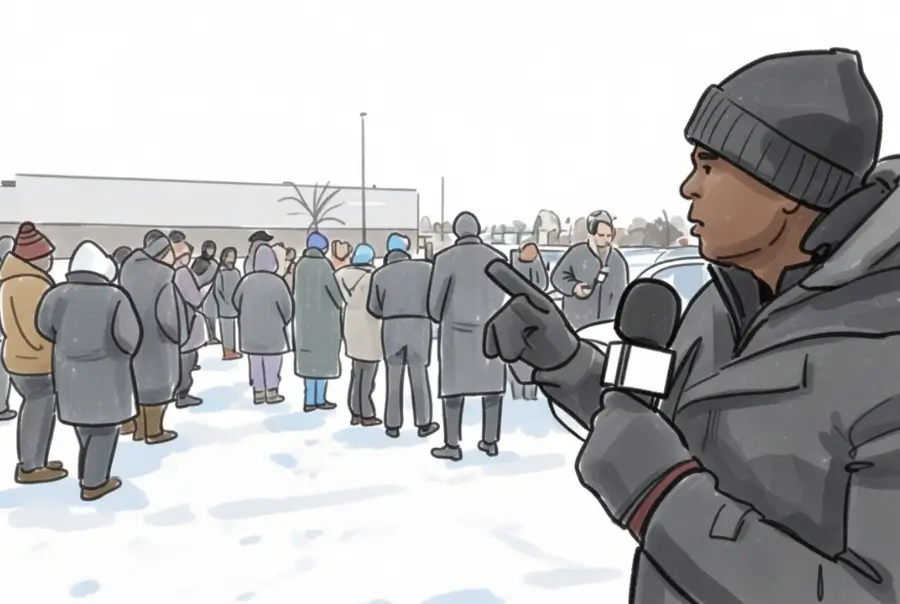
- Lemon arrested on federal civil rights charges.
- Incident tied to anti-ICE disruption at Minnesota church.
- Press freedom concerns ignite widespread debate.
Federal authorities took former CNN anchor, now influencer Don Lemon into custody late Thursday in Los Angeles, where he was reportedly covering the Grammy Awards. The arrest stems from his alleged involvement in a January 18 protest at Cities Church in St. Paul, Minnesota, that disrupted a Sunday service. Prosecutors claim Lemon, along with three others, conspired to interfere with worshipers’ First Amendment rights by entering the church and filming the demonstration. His attorney insists he was solely acting as a journalist, protected under constitutional press freedoms.
The protest targeted a pastor who allegedly serves as the acting field director for the U.S. Immigration and Customs Enforcement office in St. Paul. Demonstrators, chanting demands for justice related to immigration enforcement, entered the building mid-service, leading to confrontations with churchgoers. Lemon and local journalist Georgia Fort were present, live-streaming the event, which they described as a peaceful act of accountability. Federal officials, however, viewed the action as a coordinated violation of civil rights laws.
Charges include conspiracy against rights.
News junkies, journalists, and content creators tired of posting into the void: one reporter used the Become a Reporter system to go from 0 to over 12 million monthly views on Threads with no ads and no big following. Get the full free case study now.
Background on the January 18 Incident
Video footage from the scene shows protesters rushing into the church, interrupting the sermon with shouts about immigration policies. Reportedly, the group highlighted what they saw as a conflict between the pastor’s religious role and his ICE duties, citing cases like that of Renee Good, an immigrant allegedly affected by enforcement actions. Church leaders called it an unwarranted invasion, prompting complaints to federal authorities. Lemon, who has a history of covering social justice issues, joined Fort in documenting the event from inside.
Initial investigations by the Department of Justice reportedly began shortly after, with Attorney General Pam Bondi personally directing the probe. Bondi announced the arrests on social media, labeling the protest a “coordinated attack” on the church. The other arrestees—Trahern Jeen Crews, a civil rights activist, and Jamael Lydell Lundy—face similar charges. All four were detained across different locations, with Lemon apprehended far from Minnesota.
The case echoes debates over the Freedom of Access to Clinic Entrances Act, though applied here to a house of worship.
Legal Developments and Challenges
A federal magistrate judge in Minneapolis initially rejected probable cause for arrests last week, citing insufficient evidence of intent to violate rights. Prosecutors appealed, and one appellate judge reportedly found grounds to proceed, allowing warrants to be issued. Lemon’s lawyer, Abbe Lowell, called the charges baseless, arguing his client was embedding with sources as part of standard reporting practices. Legal experts note this could test boundaries between journalism and activism in protest coverage.
Press advocacy groups, including the Committee to Protect Journalists, condemned the arrests as an overreach that chills free expression. They point to Lemon’s 30-year career, alleging the Trump administration’s Justice Department is weaponizing civil rights statutes against media figures. Supporters of the charges argue the disruption deprived congregants of their right to worship freely, setting a precedent for protecting religious spaces.
Public and Political Reactions
Outrage poured in from Democratic lawmakers, who reportedly see the case as part of broader attacks on media independence under the current administration. Minnesota’s journalism community issued a joint statement decrying the detentions, emphasizing Fort’s local ties and her role in amplifying marginalized voices. On the other side, conservative commentators praised the move, alleging selective enforcement in past similar incidents involving clinics.
Social media buzzed with divided opinions, from calls for Lemon’s immediate release to demands for accountability. X posts from users highlighted the irony of using civil rights laws against those protesting perceived injustices. As the case heads to federal court in Los Angeles for Lemon’s initial appearance, observers predict a drawn-out battle over First Amendment interpretations.
Trials could reshape protest reporting norms.
Media reporting for this story: 48% Left | 22% Right | 19% Center | 11% Unrated
FYI, we add facts to stories that often miss them. Join our Substack for ad-free updates on press freedom or become a reporter and report any journalism developments yourself.