Follow TNGB
City Battles Administration After Slavery Exhibits Vanish Overnight

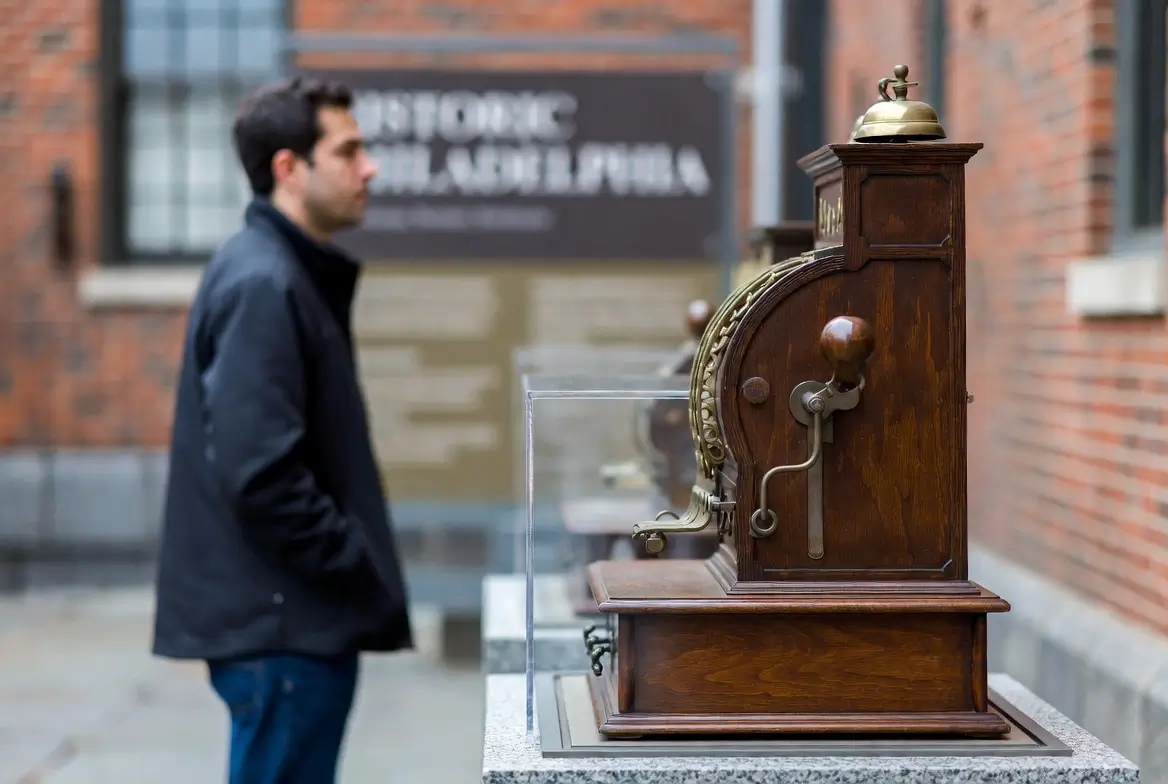
Empty bolt holes stare back at visitors in Philadelphia’s Independence National Historical Park, silent witnesses to a sudden disappearance. What once detailed the lives of nine enslaved individuals under George Washington’s roof has been stripped away, sparking a federal lawsuit that pits local preservation against national directives. This clash underscores ongoing tensions about how America confronts its foundational contradictions.
The President’s House site, where the nation’s first two presidents resided from 1790 to 1800, has long served as a reminder of liberty’s incomplete promise. Excavations in the early 2000s revealed remnants of the original structure, prompting calls to acknowledge the enslaved people who labored there. A collaborative effort ensued, blending archaeological findings with historical narratives to create an outdoor exhibit that opened to the public in 2010.
This display, titled “Freedom and Slavery in Making a New Nation,” featured panels and artwork honoring individuals like Oney Judge, who reportedly escaped to freedom, and others such as Hercules, Washington’s esteemed cook. Funded partly by the city at a cost of around 8.5 million dollars, the exhibit aimed to provide a fuller picture of early American life. Historians praised it for integrating uncomfortable truths into the story of independence.
Visitors over the years have engaged with the site, leaving notes and reflections that highlight its educational impact. The exhibit’s design encouraged contemplation of how slavery intertwined with the birth of democracy. By presenting personal stories, it humanized those often overlooked in traditional accounts.
The Executive Order and Removal
In March 2025, President Donald Trump signed Executive Order 14253, titled “Restoring Truth and Sanity to American History.” This directive instructed federal agencies, including the Department of the Interior, to review interpretive materials at national sites. It allegedly sought to eliminate content deemed to disparage past Americans, particularly those from colonial eras, emphasizing instead achievements and shared values.
Critics argue the order represents an attempt to sanitize historical presentations. The document reportedly accused previous administrations of promoting ideologies that undermine national foundations. Independence National Historical Park was specifically mentioned as a site requiring scrutiny.
On January 22, 2026, National Park Service crews reportedly dismantled the slavery-related panels without prior notice to the city. Eyewitnesses described workers removing artwork and informational displays, leaving behind faded outlines on walls. A spokesperson for the Interior Department stated that the action followed a required review, but provided no specifics on replacements.
The Lawsuit’s Core Arguments
The City of Philadelphia filed suit the following day in the U.S. District Court for the Eastern District of Pennsylvania. Naming Interior Secretary Doug Burgum, acting National Park Service Director Jessica Bowron, and their agencies as defendants, the complaint seeks a preliminary injunction to restore the exhibits. It alleges the removal violated a 2006 cooperative agreement that mandated consultation for any changes.
Legal experts point to the Administrative Procedure Act, claiming the action was arbitrary and capricious. The lawsuit argues that slavery’s role is integral to the site’s history, and altering the exhibit without rationale contravenes congressional laws. Philadelphia reportedly asserts an equal right to approve design modifications under the agreement.
The filing requests not only restoration but also a permanent block on further alterations without city input. Attorneys for the city emphasize that the exhibit’s removal erodes public trust in historical stewardship. This case could set precedents for how federal and local entities collaborate on sensitive historical matters.
Reactions from Stakeholders
Philadelphia Mayor Cherelle Parker, the first Black woman in that role, condemned the removal, affirming the cooperative agreement’s requirements for joint decision-making. U.S. Representative Dwight Evans called it an effort to whitewash history. Other officials, including City Council President Kenyatta Johnson and Representative Brendan Boyle, echoed demands for an honest reckoning.
Historians and advocacy groups expressed outrage. The National Parks Conservation Association described it as an insult to descendants of the enslaved. Timothy Welbeck from Temple University noted it reflects reluctance to confront the past. CAIR-Philadelphia stood in solidarity, stressing the need to acknowledge slavery for progress.
Broader implications include concerns over similar actions at other sites, such as a World War II display in the Netherlands. The American Historical Association has criticized the executive order for misrepresenting efforts to include diverse perspectives. This dispute highlights debates about who controls narratives in public spaces.
Media reporting for this story: 58% Left | 12% Right | 22% Center | 8% Unrated
FYI, I add facts to stories that often miss them. Join our Substack for ad-free updates on Philadelphia historic disputes or become a reporter and report any Philadelphia historic disputes developments yourself.