Follow TNGB
New Wave of Travel Curbs Hits Fifteen Fresh Nations Under Trump

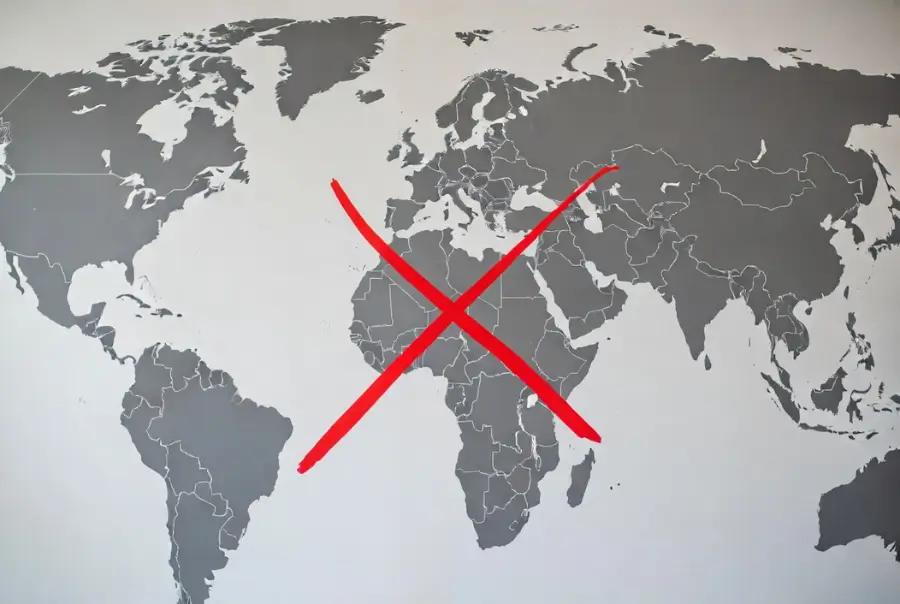
President Donald Trump reportedly signed a proclamation on December 16, 2025, broadening entry restrictions for nationals from multiple countries, emphasizing enhanced national security measures. The policy reportedly seeks to mitigate risks from regions with purported deficiencies in identity verification, information sharing, and repatriation cooperation. White House officials portrayed the step as an essential adaptation to contemporary threats, building upon reinstated restrictions from June 2025.
The order reportedly preserves full entry suspensions for the original twelve countries: Afghanistan, Burma, Chad, Republic of the Congo, Equatorial Guinea, Eritrea, Haiti, Iran, Libya, Somalia, Sudan, and Yemen. It allegedly adds five new nations to this complete ban category: Burkina Faso, Mali, Niger, South Sudan, and Syria. Additionally, individuals with travel documents issued by the Palestinian Authority face these outright prohibitions. Two countries previously under partial limits, Laos and Sierra Leone, now shift to full restrictions.
For partial restrictions, which limit immigrant visas and specific nonimmigrant categories like business, tourist, student, and exchange visas, the proclamation reportedly continues measures on Burundi, Cuba, Togo, and Venezuela. It introduces these limitations to fifteen new countries: Angola, Antigua and Barbuda, Benin, Côte d’Ivoire, Dominica, Gabon, The Gambia, Malawi, Mauritania, Nigeria, Senegal, Tanzania, Tonga, Zambia, and Zimbabwe. In a positive adjustment, Turkmenistan receives partial relief, with nonimmigrant visa bans lifted due to improved cooperation, though immigrant entry suspensions remain.
Exemptions reportedly include lawful permanent residents, those with valid visas predating the order, diplomats, athletes in international events, and instances where entry benefits United States priorities. The policy also refines family-based immigrant visa provisions to address potential fraud, while retaining options for case-by-case waivers.
This expansion draws from Trump’s earlier 2017 and 2020 policies, which faced legal scrutiny but were ultimately validated by the Supreme Court in 2018, affirming executive powers in immigration for security purposes. The current version reportedly justifies inclusions based on factors like high visa overstay rates, terrorist activities, and inadequate government controls in the affected areas.
Political responses divided sharply. Democratic leaders, including Senate Minority Leader Chuck Schumer, criticized the move as regressive and damaging to international relations. Republican figures, such as House Speaker Mike Johnson, commended it for bolstering border integrity. Human rights organizations, like the American Civil Liberties Union, raised alarms about discriminatory impacts, while immigration reform advocates supported the protective intent.
The economic ramifications could affect sectors dependent on international talent, particularly from populous nations like Nigeria, a key provider of students and skilled workers to the United States. Remittances and tourism from these regions may decline, prompting concerns from business communities in technology and energy.
Globally, partners in Europe and Africa monitor the developments, with some African Union representatives calling for collaborative security enhancements over unilateral barriers. The United Nations refugee agency expressed worries about asylum access for vulnerable populations.
As the restrictions take effect imminently, consular offices and airlines gear up for implementation, offering guidance on waivers and alternatives. This action reinforces Trump’s focus on rigorous immigration controls, sparking ongoing discussions about balancing safety with global engagement.