Follow TNGB
Trump Hosts Erdogan for Key Trade Defense Talks

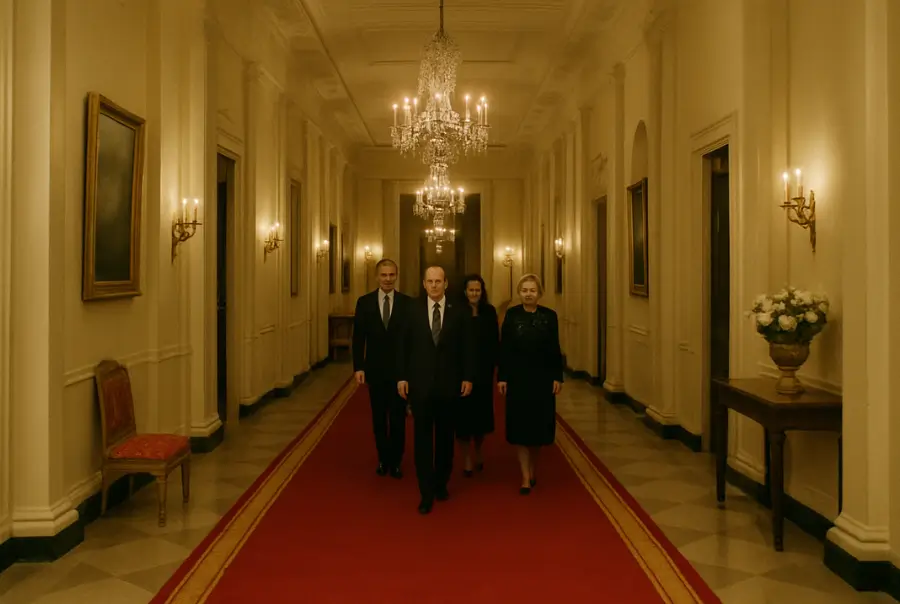
President Donald Trump welcomed Turkish President Recep Tayyip Erdogan to the White House on Thursday for discussions centered on strengthening economic ties and bolstering defense cooperation between the two nations. The leaders aimed to address longstanding tensions while exploring opportunities for mutual benefit in a rapidly shifting global landscape.
US-Turkey relations have navigated rough waters in recent years, particularly after Turkey’s 2019 purchase of Russia’s S-400 missile defense system, which prompted Congress to block sales of advanced F-35 fighter jets to Ankara. That move strained NATO alliances, as Turkey remains a key member with strategic bases like Incirlik that support American operations in the Middle East.
Trump, who has long advocated for pragmatic deals over rigid sanctions, hinted during the meeting that the US might revisit those restrictions if Turkey takes steps to align more closely with Western security priorities. Such a thaw could unlock billions in defense exports and signal a reset in bilateral dynamics.
On the trade front, the talks touched on expanding market access for Turkish goods in the US, including textiles and agricultural products that face stiff competition from other global suppliers. Erdogan pushed for reduced tariffs on steel and aluminum, echoing disputes from Trump’s first term that led to retaliatory measures on American whiskey and motorcycles.
Energy emerged as another pillar of conversation, with potential collaborations on natural gas pipelines from the Black Sea region to Europe, reducing reliance on Russian supplies amid ongoing geopolitical frictions. This aligns with broader US efforts to diversify energy sources for allies, fostering stability in volatile markets.
The meeting also covered regional hotspots, including Syria where Turkish forces maintain a presence against Kurdish militias that Washington views as vital partners against ISIS remnants. Diplomats on both sides sought common ground to prevent escalation, emphasizing coordinated counterterrorism without endorsing Ankara’s cross-border operations.
Human rights concerns lingered in the background, with US lawmakers pressing for accountability on Erdogan’s crackdown following the 2016 coup attempt, which resulted in thousands of arrests and media closures. Trump reportedly sidestepped direct criticism, focusing instead on deal-making to encourage reforms through economic incentives rather than confrontation.
As the leaders shared a working lunch in the Oval Office, aides exchanged documents outlining preliminary agreements on investment protections and joint military exercises. These steps could pave the way for a formal communique by week’s end, outlining timelines for F-35 deliberations.
Observers note that Erdogan’s visit comes at a pivotal moment for Turkey’s economy, battered by inflation exceeding 30 percent and a depreciating lira that demands foreign capital inflows. Securing US backing might stabilize markets and bolster Erdogan’s domestic standing ahead of local elections.
From the American perspective, reintegrating Turkey into the defense supply chain offers strategic advantages, particularly in countering Iranian influence and securing Black Sea access. Yet skeptics in Congress warn against rushing sanctions relief without ironclad assurances on democratic backsliding.
The White House briefing afterward highlighted optimism, with Press Secretary Karoline Leavitt describing the exchange as “frank and forward-looking.” She added that follow-up calls between defense ministers would build on the momentum generated.
Overall, the summit underscores Trump’s preference for personal diplomacy in mending alliances strained by policy divergences. While outcomes remain fluid, the engagement signals a willingness to prioritize shared interests over past grievances in an era of heightened global uncertainties.