Follow TNGB
Supreme Court Permits Trump to End Legal Status for 500,000 Migrants

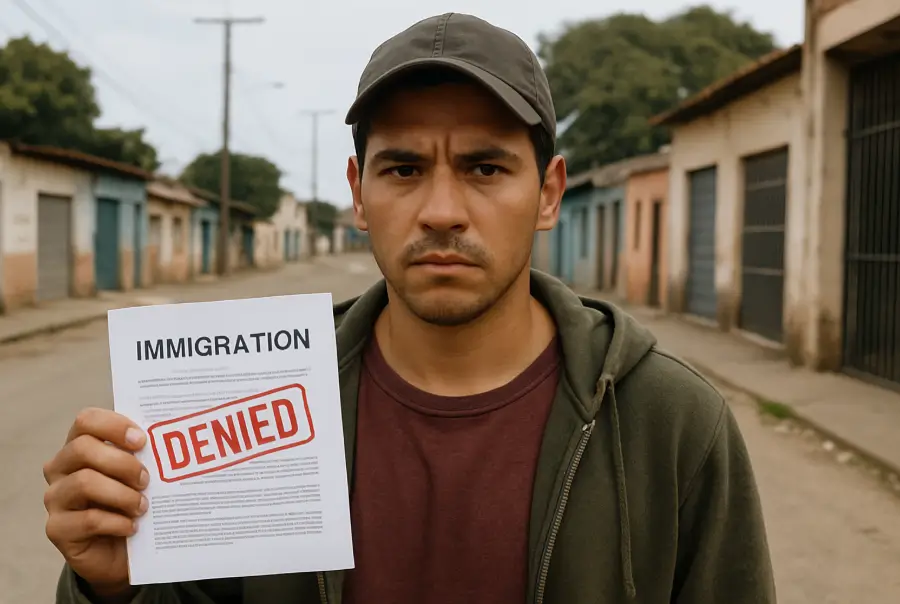
The U.S. Supreme Court has cleared the way for the Trump administration to revoke temporary legal status for approximately 530,000 migrants from Cuba, Haiti, Nicaragua, and Venezuela. The decision, issued on Friday, lifts a lower court order that had blocked the administration’s attempt to terminate a Biden-era humanitarian parole program.
This ruling allows the Department of Homeland Security to end the program, which granted two-year work and residency permits to migrants fleeing dire conditions in their home countries. The program, initiated in 2022 and expanded in 2023, aimed to curb illegal border crossings by offering legal pathways for vetted migrants with U.S. sponsors.
The Supreme Court’s unsigned order provided no detailed reasoning, a move that drew sharp criticism from Justices Ketanji Brown Jackson and Sonia Sotomayor. In an eight-page dissent, Jackson warned that the decision could unleash “devastating consequences” for nearly half a million people, disrupting their lives and livelihoods.
The Trump administration, led by Homeland Security Secretary Kristi Noem, argued that the parole program lacked proper vetting and strained national resources. Officials hailed the ruling as a victory for public safety, asserting it restores “common-sense policies” and prioritizes American interests.
Immigrant advocates expressed alarm, arguing the decision exposes vulnerable migrants to deportation and potential harm in their home countries. Karen Tumlin of the Justice Action Center called it “the largest de-legalization in modern U.S. history,” predicting widespread chaos for families and communities.
The case originated when a Boston federal judge ruled that the administration could not end the program without individual case reviews. The Supreme Court’s decision to lift this restriction allows immediate action, though litigation continues in lower courts.
Critics of the parole program, including White House Deputy Chief of Staff Stephen Miller, celebrated the ruling, framing it as a step toward stronger border security. Miller reportedly described the affected migrants as “invaders,” reflecting the administration’s hardline stance on immigration.
The decision follows a similar Supreme Court ruling on May 19, allowing the administration to end Temporary Protected Status for 350,000 Venezuelans. Both moves signal a judiciary increasingly open to Trump’s immigration agenda, though legal battles are far from over.
Migrants affected by the ruling may still pursue asylum or other protections, but many face uncertainty and the risk of expedited deportation. Advocates warn of economic fallout, noting these migrants contribute to communities nationwide as workers and taxpayers.
The administration’s broader immigration crackdown includes plans to deport millions, with officials citing public safety and resource concerns. However, critics argue that mass deportations could strain local economies and humanitarian systems, particularly in cities with large Cuban, Haitian, and Venezuelan populations.
As legal challenges persist, the Supreme Court’s limited explanation leaves room for debate over judicial oversight of executive immigration powers. The ruling underscores tensions between federal authority and humanitarian concerns, with far-reaching implications for U.S. policy.