Follow TNGB
China’s Taiwan Maneuvers Signal Invasion Rehearsal, Admiral Warns

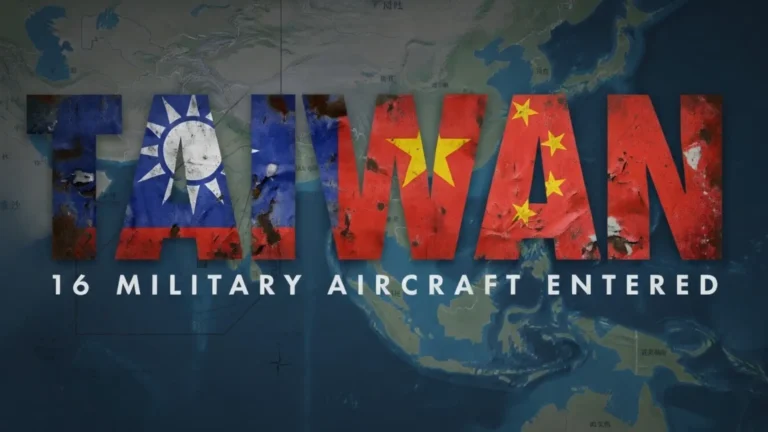
A U.S. Navy admiral has raised alarms that China’s military exercises near Taiwan are not mere posturing but deliberate rehearsals for a potential invasion. Admiral Samuel Paparo, testifying before Congress, described Beijing’s rapid warship production and aggressive drills as a clear escalation of threat.
China builds ships six times faster than the U.S., Paparo noted. This pace strengthens Beijing’s naval dominance in the region.
Taiwan is bolstering its defenses with U.S.-supplied weapons systems. However, experts warn its forces may struggle against China’s numbers.
Beijing’s exercises often simulate blockades and amphibious landings. These drills test Taiwan’s ability to respond under pressure.
The U.S. faces its own challenges with shipyard labor shortages. Efforts to boost production are slowed by workforce gaps.
Paparo urged Congress to prioritize defense spending to counter China. He emphasized the need for modernized fleets and missile systems.
Taiwan’s government remains vigilant but seeks diplomatic solutions. It has called for global support to deter aggression.
China claims Taiwan as its territory, rejecting its self-governance. Beijing has not ruled out force to achieve reunification.
U.S. lawmakers are debating increased aid to Taiwan. Some argue for faster delivery of promised military equipment.
The Pentagon is shifting resources to the Indo-Pacific region. This reflects growing concern over China’s long-term intentions.
Critics warn that U.S. focus on other global conflicts dilutes readiness. They argue for a sharper focus on the Taiwan Strait.
Admiral Paparo stressed time is running short to prepare. He called China’s buildup a generational challenge for the West.
Coverage Details
| Total News Sources | 40 |
| Left | 14 |
| Right | 12 |
| Center | 11 |
| Unrated | 3 |
| Bias Distribution | 35% Left |
Relevancy
Last Updated