Follow TNGB
Trump Warns Iran Crackdown Risks Devastating U.S. Response

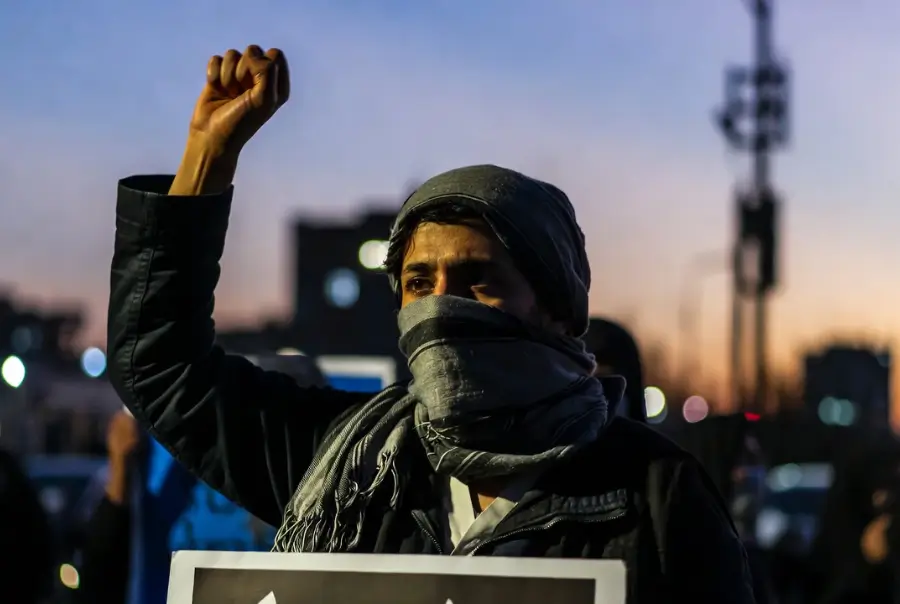
INTERNATIONAL, Jan 10 (TNGB) – Widespread demonstrations have gripped Iran since late December, fueled by soaring inflation and a plummeting currency that have left ordinary citizens struggling to afford basic goods. Reports from human rights organizations indicate at least 36 fatalities among protesters, with security forces deploying tear gas and live ammunition in major cities such as Tehran and Isfahan. The unrest echoes the 2022 Women, Life, Freedom movement but appears amplified by recent economic collapses, including a 52 percent year-on-year price surge documented by Iran’s Statistical Center.
A viral social media post, shared thousands of times on platforms like X, alleged that the United States military is briefing personnel on potential strikes against Iran, warning of likely counterattacks on American bases in the Middle East. This claim, originating from accounts focused on geopolitical analysis, has amplified global tensions. Credible outlets, including Reuters, have not confirmed such briefings but noted heightened U.S. rhetoric amid the protests.
President Donald Trump, in statements made on January 2 and reiterated in subsequent days, reportedly declared that if Iranian authorities violently suppress peaceful demonstrators, the United States would intervene decisively. According to Reuters, Trump specified that America would “come to their rescue” should Iran repeat its history of lethal force against civilians. This marks a significant escalation from previous U.S. positions, building on Trump’s earlier actions, including joint strikes with Israel on Iranian nuclear facilities in June 2025.
Iranian Supreme Leader Ayatollah Ali Khamenei addressed the nation on state television January 9, labeling protesters as vandals influenced by foreign powers, particularly the United States. He allegedly accused Trump of having “blood on his hands” and called for national unity against external threats. Al Jazeera reported that Khamenei warned of severe consequences for those acting as “mercenaries for foreigners,” amid an internet blackout imposed to curb the spread of protest videos.
The Defense Intelligence Agency and other U.S. entities have monitored Iran’s military posture, with reports from the Institute for the Study of War indicating that Tehran has placed forces on high alert. Unspecified Iranian officials, speaking to Reuters on January 5, expressed concerns that Trump’s threats complicate their response to the unrest, narrowing options between domestic repression and international confrontation. One official allegedly noted fears of U.S. action following recent strikes in Venezuela.
Protests began with merchants shuttering shops in Tehran’s Grand Bazaar over the rial’s devaluation, quickly evolving into calls for regime change. The Soufan Center analysis highlights how economic mismanagement, corruption, and post-2025 military setbacks have eroded public confidence. Demonstrators have chanted slogans demanding the ouster of the clerical leadership, with videos verified by Reuters showing clashes in multiple provinces.
Human Rights Watch and Amnesty International have documented over 1,200 arrests since the protests’ onset, urging international condemnation of the crackdown. These groups allege excessive force by the Islamic Revolutionary Guard Corps, including arbitrary detentions and beatings. Iran’s government has denied widespread violence, claiming security measures target only rioters damaging property.
The U.S. State Department issued a statement on January 7 supporting the Iranian people’s right to peaceful assembly, while cautioning against regime propaganda blaming external forces. Secretary of State Mike Pompeo reportedly emphasized that America’s focus remains on human rights, not territorial ambitions. This aligns with broader U.S. policy shifts under Trump, emphasizing maximum pressure on Tehran through sanctions and alliances with Israel.
Israeli Prime Minister Benjamin Netanyahu, during a December visit to Mar-a-Lago, reportedly sought U.S. backing for further actions against Iran’s missile programs. The New York Times noted no evidence of Israeli involvement in the protests, despite social media speculation. Netanyahu’s office declined comment, but sources indicate ongoing coordination between Washington and Jerusalem on regional security.
Iran’s economy, battered by sanctions reimposed in 2025, faces compounded challenges from global oil price fluctuations and internal inefficiencies. The World Bank estimates Iran’s GDP contracted by 4.5 percent last year, exacerbating unemployment rates exceeding 20 percent among youth. Protesters have targeted symbols of wealth disparity, such as luxury vehicles associated with regime elites.
The Iranian Defense Council, in its first statement since August 2025, warned on January 6 of preemptive measures against perceived threats from the U.S. and Israel. As reported by the Associated Press, this body, comprising top military and political figures, condemned “interventionist threats” without specifying actions. Analysts at Critical Threats suggest this rhetoric aims to deter foreign involvement while rallying domestic support.
Exiled opposition figures, including Reza Pahlavi, have called for nationwide strikes in key sectors like oil and transportation. In a January 9 message, Pahlavi urged Iranians to prepare for seizing city centers, predicting an imminent “national revolution.” His statements, circulated via satellite and social media proxies, have reportedly inspired further mobilizations despite connectivity restrictions.
The international community remains divided, with European Union leaders advocating dialogue and humanitarian aid, while Gulf states like Saudi Arabia express solidarity with protesters. The BBC reports that Russia and China have cautioned against U.S. intervention, viewing it as destabilizing. Diplomatic sources indicate backchannel talks between Washington and Tehran, though no breakthroughs have emerged.
Satellite imagery analyzed by the James Martin Center for Nonproliferation Studies shows increased activity at Iranian military sites, potentially indicating preparations for defense rather than aggression. No unusual U.S. troop movements have been publicly confirmed, per Pentagon briefings, but readiness levels in the Middle East remain elevated following 2025 conflicts.
As protests enter their third week, the death toll continues to rise, with unverified reports from local activists suggesting figures higher than official counts. The United Nations Human Rights Council has scheduled an emergency session for next week to address the situation, calling for independent investigations into alleged abuses.
The viral post’s claims of U.S. military buildup, while unverified by mainstream sources, underscore the precarious balance in U.S.-Iran relations. Experts at the Council on Foreign Relations warn that miscalculations could lead to broader conflict, urging restraint from all parties. For now, the world watches as Iran’s internal strife intersects with global power dynamics.
Media reporting for this story: 41% Left | 27% Right | 23% Center | 9% Unrated
FYI, I add facts to stories that often miss them. Join our Substack for ad-free updates on Viral Post Claims U.S. Military Buildup for Iran Strikes Amid Protests or become a reporter and report any Viral Post Claims U.S. Military Buildup for Iran Strikes Amid Protests developments yourself.