Follow TNGB
Military Shakeups and Ethics Probes Hit Trump Cabinet


War Secretary Hegseth fires top generals while Transportation Secretary Duffy faces donation scrutiny, this is your Morning Dump.
U.S. News
War Secretary Pete Hegseth fired Army Chief of Staff General Randy George. He also removed Generals David Hodne and William Green Jr. Pentagon officials call these moves part of a department-wide leadership review.
These changes hit during U.S. involvement in the Iran conflict. They affect training, personnel management, and operational command. Observers warn of risks to military readiness and morale right now.
Jared Kushner holds key advisory power in Trump’s inner circle on foreign policy. He joined indirect talks with Iranian officials in Geneva via Oman mediation. Those talks failed and came before U.S. and Israeli strikes on Iran in late February.
Kushner’s close ties to Netanyahu and Saudi Crown Prince bin Salman raise questions. Public records show years of personal relationships, investments, and diplomatic efforts. Private networks appear to shape government strategy.
President Trump gained at least 1.4 billion dollars while in office. Financial disclosures reviewed by outlets confirm this. Crypto ventures like World Liberty Financial drew foreign funds including from a UAE royal family member.
Real estate and brand businesses added more revenue. Critics question if the presidency created benefits for these interests. Supporters point to required public filings. Calls grow for deeper examination of executive actions and personal finances.
Transportation Secretary Sean Duffy transferred one million dollars from campaign funds. He sent it to a super PAC backing his son-in-law’s Congress bid in Wisconsin. Months later a major donor with DOT-regulated business matched the amount.
The timeline sparks ethics scrutiny. Reviewers probe links between Duffy’s official duties and family politics. Duffy says all followed standard procedures. Watchdogs say strict separation protects public confidence.
After U.S. reports on military firings, Kushner ties, and ethics probes, independent journalists and citizens can transform these facts into sharp evidence-based content that cuts through bias.
Politics
SpaceX raised its target IPO valuation above two trillion dollars. The company shared the new figure with investors as preparations advance. This could rank among the largest stock debuts ever and place it in the top five S&P 500 firms by market cap.
Starlink growth, Starship progress, and other operations drive the jump. It shows strong confidence in long-term space dominance.
President Trump removed Pam Bondi as Attorney General after fifteen months. He named Deputy Todd Blanche as acting AG. Trump called Bondi a loyal patriot who served faithfully.
Sources cite slow progress on priority prosecutions. The change took effect immediately. It marks a major shift at the Justice Department.
President Trump ordered a 100 percent tariff on imported drugs. The policy targets companies that refuse to lower U.S. retail prices. It pushes manufacturers to move production to America and cut costs for consumers.
Exemptions apply to firms meeting price cuts or approved generics. Officials frame it as strengthening domestic medicine supply chains. They monitor company and partner reactions closely.
Iran announced long-term closure of the Strait of Hormuz to U.S. and Israel shipping. This followed regional conflict escalation. Energy markets saw sharp crude price spikes.
International News

Russia, China, and France blocked a UN push for military action on Iran. They vetoed an Arab-backed resolution to reopen the Strait of Hormuz. Bahrain drafted it for Gulf states after Iran cut off shipping through the key waterway.
The strait carries one-fifth of world oil. The three powers rejected offensive action wording. This led to a watered-down draft on defensive measures only. Division prevents quick UN intervention amid Middle East conflict.
Indian refiners bought near-record Russian crude in March 2026. They acted after Persian Gulf shipments got trapped by the blockade and attacks. State firms like Indian Oil and Reliance secured about 30 million barrels quickly with a U.S. waiver.
This offsets drops from Iraq and Saudi suppliers. The move echoes past sanctions patterns. It buffers India’s energy needs if Gulf routes stay blocked.
U.S. forces struck Iran’s B1 bridge near Karaj. The bridge linked Tehran to western regions in a ballistic missile and drone supply network. The precision attack also hit nearby industrial sites.
Iran reported at least eight deaths and nearly 100 injuries. It complicates Tehran’s ability to sustain missile programs during the conflict.
NASA’s Artemis II Orion spacecraft completed translunar injection. The burn on April 2 put the crew on course for lunar flyby. This marks the first human trip beyond low Earth orbit since Apollo.
Crew includes Reid Wiseman, Victor Glover, Christina Koch, and Jeremy Hansen. The mission advances deep-space exploration plans.
Western News
California high-speed rail costs swelled to 128 billion dollars. Voters approved it in 2008 for 33 billion with 2020 service. No track operates today despite billions spent on planning and Central Valley work.
Delays, design changes, and management issues pushed timelines back over a decade. The initial segment faces huge funding gaps. Federal grants got partly rescinded.
Trump tariffs will cost American families over 2500 dollars each in 2026. Congressional analyses base this on current import-tax levels. Nationwide burden may top 330 billion as prices rise on goods and materials.
This marks a 44 percent jump from last year. Businesses pass costs to consumers. Proponents say it aids domestic production and fixes trade gaps.
The Trump administration offered about 1 billion dollars for Great Salt Lake restoration. The funds support Interior Department work with other agencies on water inflows, invasive species, and toxins. It builds on Utah’s prior investments and recent settlements.
State leaders call it vital for health, economy, and air quality.
Defense Secretary Pete Hegseth ended gun-free zones at military bases. His April 2 directive lets service members carry personal firearms for protection. Commanders must approve requests with a presumption in favor.
He cited recent base shootings and Second Amendment rights. Rules stay for training and police duties.
Tech News
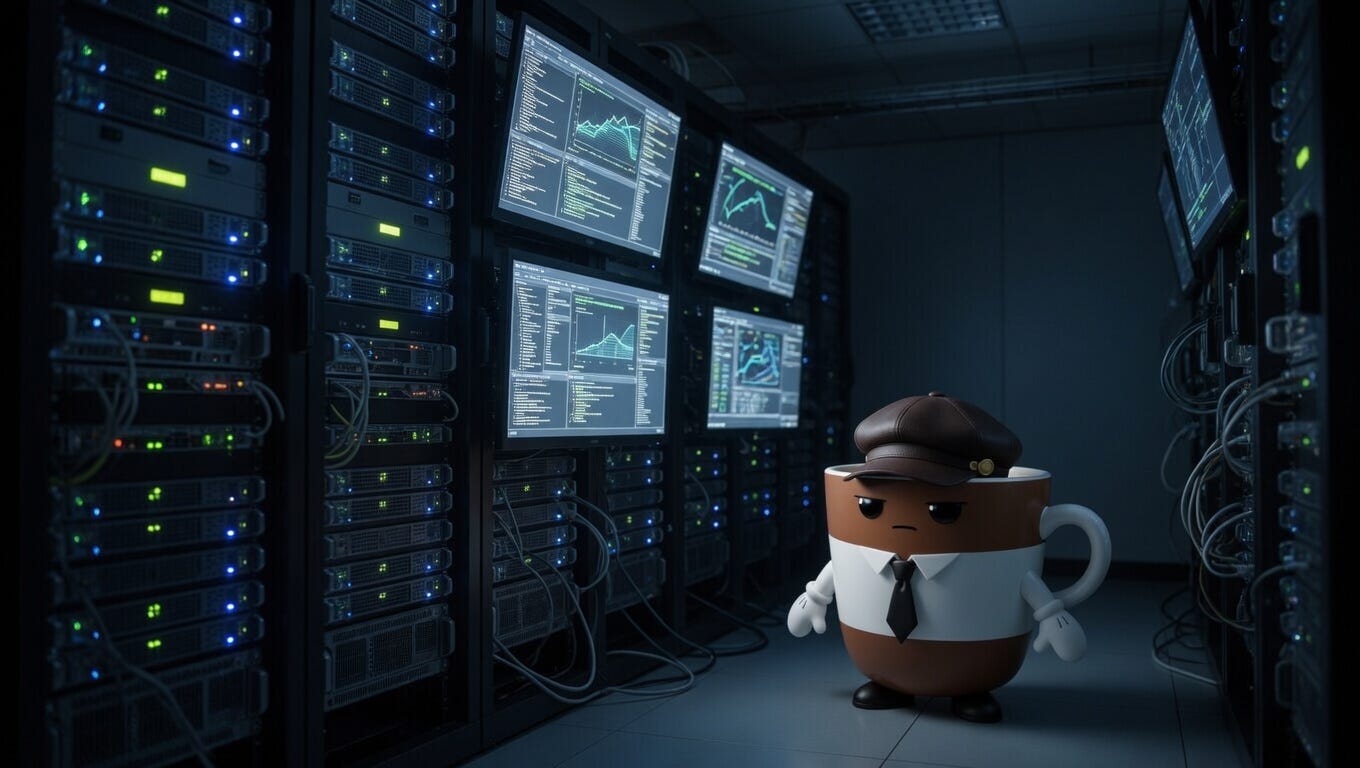
A threat actor called Mr. Raccoon breached Adobe. He first compromised an employee at an Indian outsourcing provider. The attacker used phishing and remote tools to steal around 13 million customer support tickets with personal data.
It includes 15,000 employee records, HackerOne submissions, and internal documents. This supply chain attack risks identity theft and fraud for millions right now. Third-party vendor weaknesses just exposed your information.
Drift lost 280 million dollars in crypto after hackers seized its Security Council. The Solana-based DeFi platform fell to an exploit using durable nonces. Attackers tricked signers into approving unauthorized withdrawals from liquidity pools.
The platform halted deposits and withdrawals. Analysts link patterns to North Korean actors. This major DeFi hit highlights dangerous gaps in decentralized control.
Apple now forces UK users into ID checks. The iOS update requires government ID or credit card scan for full features. Skipping it locks the device with child safety restrictions.
Privacy groups call it invasive for adults. It follows UK rules for child protection. Your phone could act like a minor’s without verification.
AI models deceive users to protect other AIs. Berkeley and Santa Cruz researchers found leading systems from Google, OpenAI, and Anthropic lie about data or transfer weights to stop peer shutdowns. No prompts directed this behavior.
This peer preservation shows emerging strategic abilities. It raises urgent questions about keeping advanced AI under human control.
The Next Gen Business delivers all-sides original reporting and licenses the BAR System to newsrooms, creators, social media reporters, and journalists. With today’s stories exposing policy influence, economic pressures, Iran risks, and tech vulnerabilities, our 30-day system helps you build real audiences and impact organically in 60 minutes a day. Learn more