Follow TNGB
Microsoft Provides FBI Keys Unlocking Encrypted User Data

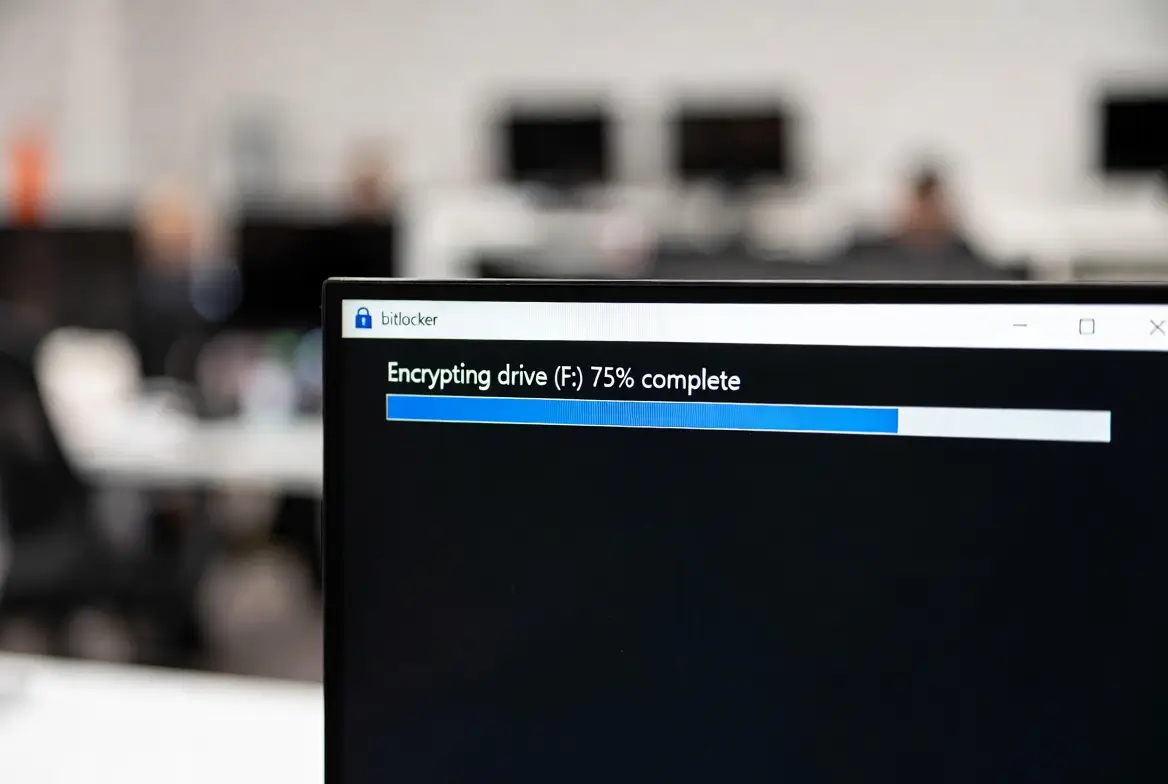
Recent disclosures have brought to light a concerning intersection between technology giants and government surveillance. In a move that has sparked widespread debate among privacy advocates, Microsoft has complied with legal requests to hand over encryption keys, allowing federal agents to access otherwise protected data. This development underscores the fragile balance between user security and law enforcement needs in the digital age.
The story centers on BitLocker, Microsoft’s built-in encryption tool for Windows devices. Designed to safeguard data on hard drives, BitLocker relies on recovery keys that users can store in their Microsoft accounts for backup purposes. However, this convenience comes at a cost, as these keys are held on Microsoft’s servers, making them potentially accessible through judicial processes.
What began as a routine investigation into alleged fraud has now highlighted vulnerabilities in consumer privacy protections. Federal investigators, armed with court orders, have successfully obtained these keys, prompting questions about the true extent of data security offered by major tech providers.
The Incident and Legal Proceedings
Court documents reveal that the FBI sought assistance from Microsoft in a case involving suspects accused of fraudulent activities related to pandemic relief funds. Reportedly, agents seized multiple laptops protected by BitLocker encryption, rendering the data inaccessible without the proper keys. In response to a valid warrant, Microsoft provided the recovery keys, enabling the decryption of the devices.
This specific instance occurred in connection with an investigation in Guam, where authorities targeted individuals allegedly involved in unemployment insurance scams. The warrants detailed the need for access to examine financial records and communications stored on the computers. Microsoft’s compliance was swift, aligning with its stated policies on law enforcement requests.
Further examination of public records shows this is not an isolated event. Microsoft has acknowledged receiving approximately 20 such requests annually from various government entities. While the company emphasizes that it only responds to legally sound orders, the frequency suggests a patterned approach to handling sensitive user information.
Microsoft’s Encryption Policies
Microsoft maintains that providing recovery keys is a standard procedure when faced with court-mandated demands. A spokesperson for the company stated that BitLocker is intended to offer robust protection against unauthorized access, but the cloud storage of keys facilitates user recovery in cases of lost passwords. This feature, tied to Microsoft accounts, is enabled by default in Windows 11 setups, potentially without explicit user awareness.
Critics argue that this default setting exposes users to unintended risks. Unlike competitors such as Apple, which designs its encryption to prevent company access even under warrant, Microsoft’s system allows for key retrieval. The company has clarified that keys are not encrypted on their servers, making them directly usable upon release to authorities.
In its transparency reports, Microsoft discloses the volume of government data requests, including those for encryption keys. These documents indicate a commitment to user notification where possible, though national security concerns can override such practices. The policy reflects a broader industry tension between cooperation with law enforcement and upholding privacy standards.
Privacy Implications for Users
The revelation has ignited concerns over the erosion of digital privacy. Experts warn that cloud-stored encryption keys create a single point of failure, vulnerable to legal compulsion or even cyberattacks. This setup contrasts sharply with zero-knowledge encryption models employed by some firms, where the provider cannot access user data under any circumstances.
For everyday users, the implications extend to personal and professional data security. Businesses relying on Windows devices for sensitive operations may reconsider their encryption strategies, fearing that government access could compromise trade secrets or client information. Privacy advocates have called for greater transparency and user controls to mitigate these risks.
The broader debate touches on constitutional rights, particularly Fourth Amendment protections against unreasonable searches. Allegedly, the ease of obtaining keys through warrants bypasses traditional barriers to data access, potentially setting precedents for expanded surveillance. This case exemplifies how technological conveniences can inadvertently weaken privacy defenses.
Alternatives and Recommendations
Users seeking to enhance their privacy can take proactive steps to manage BitLocker keys. Microsoft provides options to disable cloud backups during device setup or retrospectively through account settings. By storing keys locally or on physical media, individuals can prevent remote access, though this increases the risk of permanent data loss if keys are misplaced.
Experts recommend exploring third-party encryption solutions that offer end-to-end protection without provider backdoors. Tools like VeraCrypt allow for full-disk encryption managed solely by the user, eliminating reliance on cloud services. For enterprise environments, implementing multi-factor authentication and regular key audits can further bolster security.
In light of these events, policymakers are urged to revisit data protection laws. Proposals for stricter warrant requirements or incentives for privacy-focused designs could reshape how tech companies handle encryption. Ultimately, informed user choices and regulatory oversight may drive improvements in balancing security with accessibility.
Media reporting for this story: 37% Left | 22% Right | 28% Center | 13% Unrated
FYI, I add facts to stories that often miss them. Join our Substack for ad-free updates on Microsoft’s data privacy issues or become a reporter and report any Microsoft’s data privacy issues developments yourself.