Follow TNGB
House Panel Advances Contempt Against Clintons Over Epstein Subpoenas

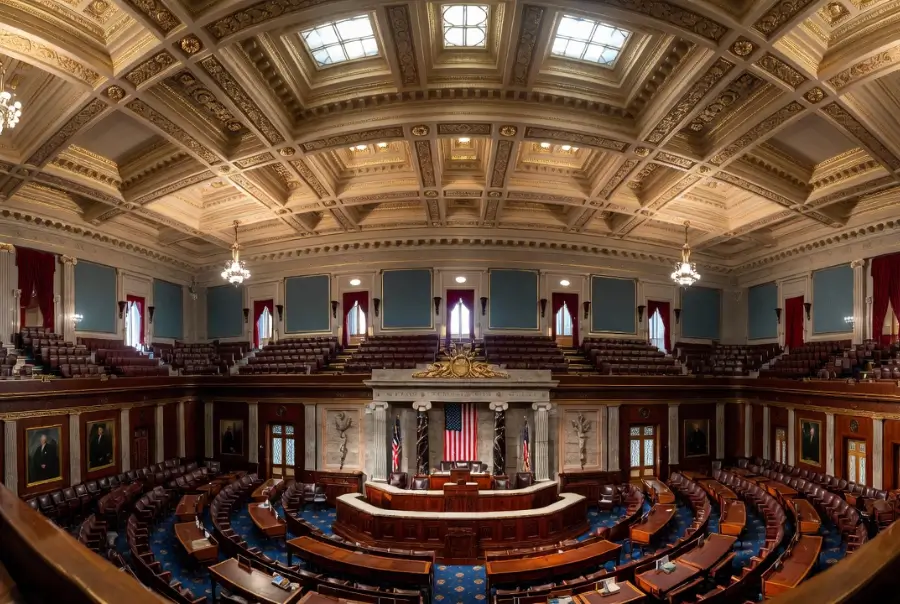
The House Oversight and Government Reform Committee launched its probe into Jeffrey Epstein’s activities and the government’s handling of related matters back in 2025. This inquiry focuses on how federal agencies managed information about the convicted s-x offender, who died in custody in 2019. Lawmakers have sought documents and testimonies to uncover any potential oversights or connections involving high-profile figures.
Committee Chairman James Comer, a Republican from Kentucky, has emphasized the need for transparency in this case. The investigation gained momentum after the release of additional Epstein files, prompting subpoenas for various individuals. Sources indicate that the panel aims to examine interactions between Epstein and influential personalities, including former presidents and officials.
Democrats on the committee have participated in some aspects, but tensions arose over the scope and targets of the subpoenas. The probe has been described as bipartisan in its approval of certain actions, yet partisan divides have become evident in recent developments. This backdrop sets the stage for the current standoff with the Clintons.
Issuance of Subpoenas and Responses
In August 2025, the committee issued subpoenas to former President Bill Clinton and former Secretary of State Hillary Clinton, requiring their appearances for depositions. These legal demands were reportedly approved unanimously by the panel, highlighting a rare moment of cross-aisle agreement. The subpoenas specified dates in January 2026 for the testimonies.
Bill Clinton was scheduled to appear on January 13, while Hillary Clinton’s date followed on January 14. Both reportedly failed to comply, leading to immediate announcements from Chairman Comer about advancing contempt measures. The Clintons’ legal teams had engaged in correspondence with the committee for months, challenging the validity of the subpoenas.
In a joint letter released publicly, the Clintons argued that the subpoenas lacked a legitimate legislative purpose and infringed on separation of powers. They accused the committee of selective enforcement, noting that other figures were allowed to submit written statements instead of appearing in person. This response has fueled debates about the enforceability of congressional subpoenas against former executives.
Political Reactions and Committee Dynamics
Republicans on the committee have voiced strong support for holding the Clintons accountable. Chairman Comer stated publicly that the panel would vote on contempt resolutions during a markup session the following week. He described the refusals as defying a lawful, bipartisan process, underscoring the committee’s determination to proceed.
House Speaker Mike Johnson has backed the move, affirming that defying a congressional subpoena constitutes contempt. His comments suggest that any committee-approved resolution would likely reach the full House floor for a vote. This development reflects broader partisan strategies in ongoing investigations.
Democrats, however, have shown limited engagement, with none attending the scheduled depositions. This absence raises questions about the investigation’s bipartisanship in practice. Critics argue that the probe may serve political motives rather than pure oversight, especially given the historical context of Epstein’s associations.
Potential Legal and Procedural Outcomes
If the committee advances the contempt resolutions, they would need approval from the full House before referral to the Justice Department for potential prosecution. Historical precedents show that such referrals do not always lead to charges, often depending on the administration in power. Legal experts note the rarity of prosecuting former presidents or secretaries of state in this manner.
The Clintons have pledged to defend themselves vigorously, potentially through court challenges. Their letter highlights perceived inconsistencies in how the committee handled similar requests from other witnesses. This could lead to prolonged legal battles, testing the boundaries of congressional authority.
Analysts suggest that even if contempt is approved, enforcement might face hurdles. The Justice Department’s role would be pivotal, and any decision could spark further political controversy. This case may set important precedents for future interactions between Congress and former officials.
Media reporting for this story: 28% Left | 42% Right | 21% Center | 9% Unrated
FYI, I add facts to stories that often miss them. Join our Substack for ad-free updates on Epstein subpoenas or become a reporter and report any Epstein subpoenas developments yourself.