Follow TNGB
Five States Push Voter ID and Anti-Non-Citizen Voting Laws

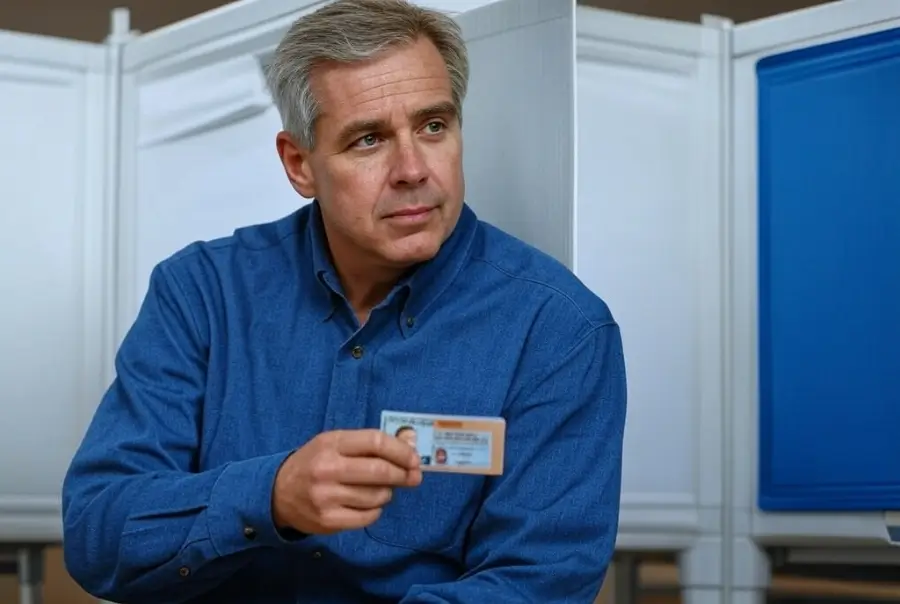
Five states are taking decisive steps to tighten election rules with Iowa Maine Michigan Utah and Wisconsin at the forefront. Lawmakers in these states are drafting bills or amending constitutions to require voter ID or ban non-citizen voting. These moves signal a growing effort to bolster election integrity amid heated debates over fraud and access.
In Iowa legislators are advancing a voter ID bill to ensure only legal residents cast ballots in state and local elections. Supporters say it’s a common-sense safeguard against illegal voting which they claim undermines public trust. Critics argue it could disenfranchise low-income or elderly voters who lack easy access to identification.
Maine and Michigan are eyeing constitutional amendments to explicitly prohibit non-citizens from voting in any election. Proponents assert that citizenship is a fundamental requirement for democratic participation. Opponents warn such measures fuel xenophobia and solve a problem that barely exists given scant evidence of widespread non-citizen voting.
Utah’s proposed legislation would mandate photo ID at polling places starting next year. State officials argue it aligns with overwhelming public support for secure elections as polls show most Americans back ID requirements. Detractors say the real intent is to suppress turnout among minorities who tend to vote for progressive candidates.
Wisconsin lawmakers are debating a hybrid approach combining voter ID with stricter residency checks. The push follows reports of illegal immigrants allegedly registering in some counties though hard data remains elusive. Skeptics contend these laws are more about political theater than addressing verifiable threats to election integrity.
The timing of these efforts ties into national concerns over border security and illegal immigration. Conservatives in these states see voter ID as a frontline defense against what they call an open-door threat to sovereignty. Progressives counter that it’s a solution in search of a problem exploiting fear to rig the electoral game.
Election experts note that voter fraud cases remain rare with only a handful documented annually across the U.S. Studies from mainstream outlets consistently show no significant impact from non-citizen voting on outcomes. Still the symbolic weight of these laws resonates with voters anxious about fairness in a polarized age.
If passed these measures could set a precedent for other states to follow sparking a domino effect nationwide. Legal challenges are almost certain as voting rights groups gear up to fight in court. The clash pits election security against ballot access in a showdown that could define democracy’s future.
Coverage Details
| Total News Sources | 30 |
| Left | 6 |
| Right | 15 |
| Center | 7 |
| Unrated | 2 |
| Bias Distribution | 50% Right |
Relevancy
Last Updated