Follow TNGB
Economic Collapse Ignites Calls for Iranian Overthrow

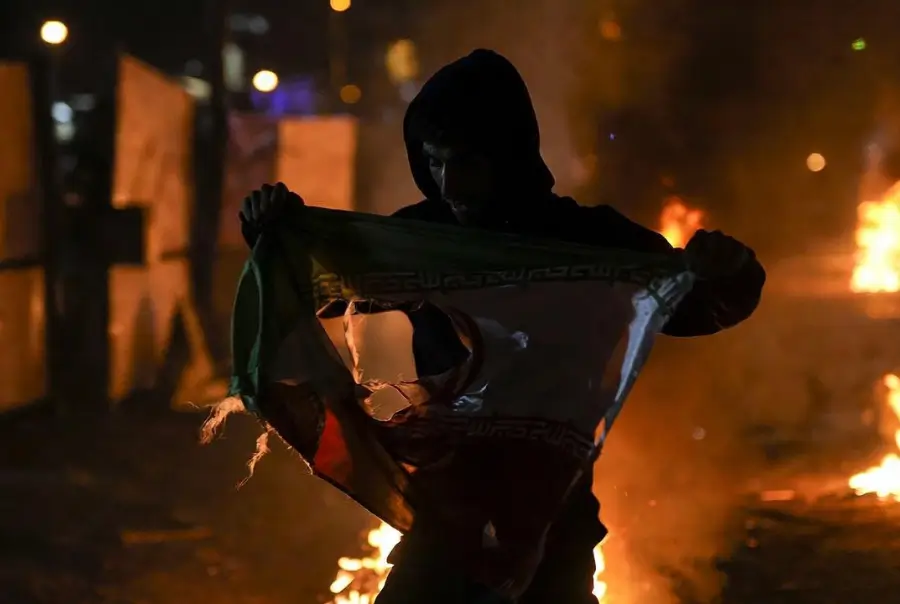
Widespread demonstrations have engulfed Iran since late December 2025, initially triggered by a sharp decline in the value of the rial and escalating inflation rates that have reportedly exceeded 40 percent in recent months. What began as localized complaints about soaring food prices and economic hardship in cities like Tehran has rapidly evolved into a broader movement challenging the authority of the Islamic Republic. Protesters in over 170 cities across all 31 provinces have taken to the streets, voicing frustration over what they describe as systemic mismanagement and corruption.
Security forces have allegedly responded with increasing force, deploying live ammunition in several instances to disperse crowds. Human rights organizations, including Norway-based Iran Human Rights, have documented at least 51 fatalities among demonstrators, including nine minors, since the unrest began on December 28, 2025. Opposition groups and exiled activists claim the toll is significantly higher, potentially reaching into the hundreds, amid reports of hospital raids on the wounded and mass detentions exceeding 2,200 individuals.
A nationwide internet blackout, imposed around January 8, 2026, has severely limited the flow of information from within the country. This measure, reminiscent of previous crackdowns during major unrest in 2019 and 2022, is believed to hinder protest coordination and obscure the extent of the regime’s response. Despite the shutdown, videos and accounts smuggled out depict crowds setting fire to state buildings, such as an Islamic Republic of Iran Broadcasting facility in Esfahan, and burning portraits of Supreme Leader Ayatollah Ali Khamenei.
Chants echoing through the streets have shifted from economic grievances to explicit calls for political transformation. Phrases like “Death to the Dictator” and “This is the year of blood, Seyed Ali falls” target Khamenei directly, while others invoke nostalgia for the pre-1979 era with slogans supporting the return of the shah. Exiled Crown Prince Reza Pahlavi has emerged as a rallying figure, urging evening gatherings and claiming instances of army desertions in support of the movement.
In his first public address on the matter on January 9, 2026, Khamenei dismissed the protesters as “vandals” and “saboteurs” acting on foreign agendas, specifically pointing to influence from the United States. He vowed that the regime would not retreat and accused demonstrators of destroying their own communities to appease foreign leaders. This rhetoric aligns with statements from other senior officials, including Judiciary Chief Gholamhossein Mohseni-Ejei, who promised decisive punishments without leniency.
The economic backdrop fueling the discontent includes a rial trading near 1.34 million to the dollar, rendering imports unaffordable and pushing food costs up by 60 to 70 percent. President Masoud Pezeshkian, elected in 2024 on promises of improved governance, has faced criticism for failing to alleviate shortages in electricity and water, or to ease internet restrictions. Analysts note that the regime’s foreign policy, including support for regional militias, has exacerbated isolation and sanctions, further straining resources.
Strikes in key sectors, such as the Tehran Grand Bazaar and Kurdish regions, have amplified the pressure. Women have played a prominent role, defying hijab mandates in acts of symbolic resistance. In provinces like Kurdistan and Kermanshah, entire communities have joined, with reports of security personnel injuries numbering in the hundreds during confrontations.
International reactions have intensified the stakes. U.S. President Donald Trump has repeatedly voiced support for the Iranian people, warning of potential intervention should the regime escalate violence against protesters. Senator Lindsey Graham echoed this sentiment, issuing direct threats to Khamenei. These statements have drawn sharp rebukes from Iranian authorities, who accuse Washington of instigating the turmoil.
Diaspora communities have organized solidarity rallies in cities like Sydney and Washington, amplifying calls for regime change and endorsing Pahlavi’s leadership. Advocacy groups urge global leaders to condemn the crackdown and provide technological aid, such as satellite internet, to bypass the blackout.
The regime’s isolation extends regionally, with the recent fall of allies like the Assad government in Syria weakening its proxy network. Israeli Prime Minister Benjamin Netanyahu has reiterated commitments to prevent Iranian nuclear advancements, while Trump has signaled openness to negotiations but readiness for confrontation.
Analysts debate the protests’ sustainability, noting the absence of unified opposition leadership within Iran and the loyalty of elite forces like the Islamic Revolutionary Guard Corps. While no high-profile defections have occurred, the breadth of participation—from students and pensioners to Generation Z—suggests deep-seated disillusionment.
As the unrest enters its third week, the potential for escalation remains high. The regime’s history of suppressing dissent, combined with external pressures, could either fortify its resolve or expose vulnerabilities. Observers emphasize that any path forward hinges on addressing the core economic and political demands voiced by the populace.
Media reporting for this story: 42% Left | 18% Right | 29% Center | 11% Unrated
FYI, I add facts to stories that often miss them. Join our Substack for ad-free updates on Iranian Uprising or become a reporter and report any Iranian Uprising developments yourself.