Follow TNGB
Attorney General Bondi Faces Bipartisan Backlash Over Epstein Files Redactions

- Bipartisan lawmakers fault DOJ for excessive redactions in Epstein documents.
- Bondi defends compliance during heated congressional hearing.
- Calls emerge for contempt amid transparency demands.
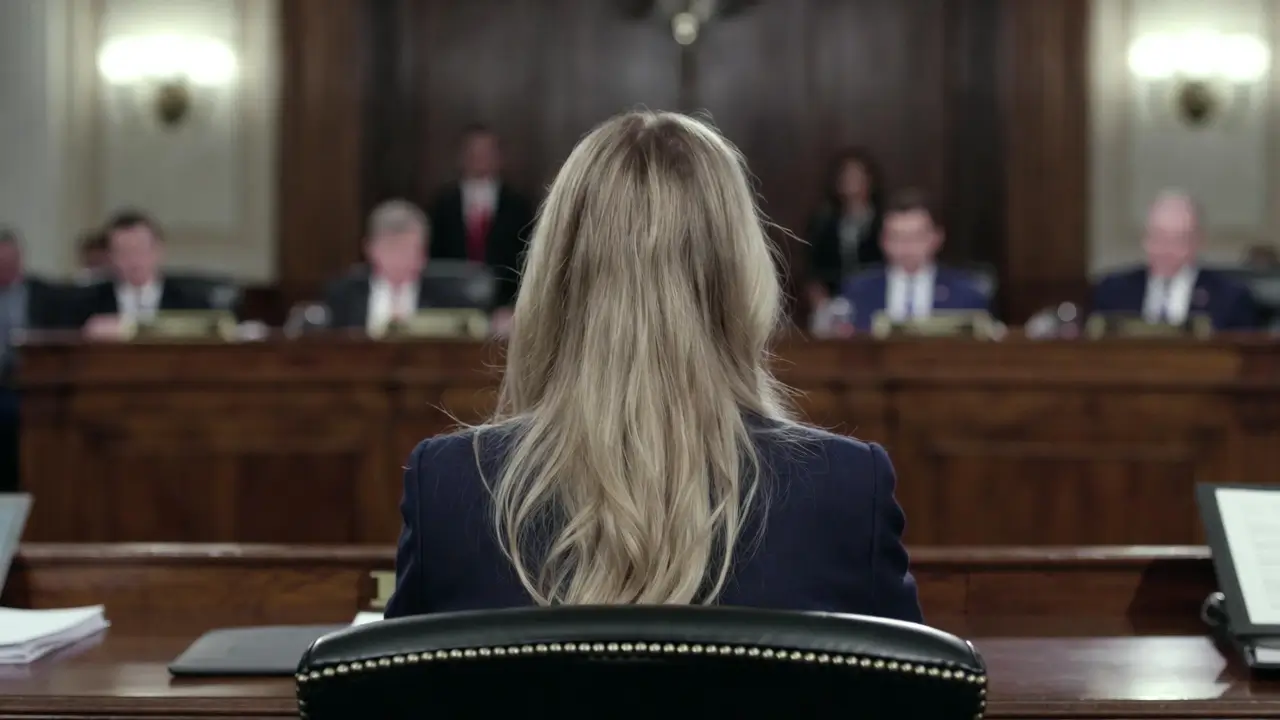
Attorney General Pam Bondi encountered sharp bipartisan criticism during a House Judiciary Committee oversight hearing for the Department of Justice’s handling of Jeffrey Epstein-related files. Lawmakers from both parties accused the DOJ of violating the Epstein Files Transparency Act by applying heavy redactions beyond legal allowances and delaying full releases. The act, passed unanimously in November 2025 and signed by President Donald Trump, mandated public disclosure of all unclassified documents by December 19, 2025, in a searchable format. Bondi maintained that her department followed the law’s provisions for protecting victim privacy and sensitive information.
Redactions reportedly shielded names of prominent figures.
FYI, we add facts to stories that often miss them. Join our Substack for ad-free updates on politics or become a reporter and report any Epstein files developments yourself.
The Epstein Files Transparency Act required the DOJ to release over 6 million pages of investigative materials, communications, and records tied to Epstein’s s-x trafficking operations, but the department has disclosed only about 3.5 million pages with extensive blackouts. Critics, including Republican Representative Thomas Massie and Democratic Representative Ro Khanna, argued that redactions concealed co-conspirator identities without justification, such as billionaire Les Wexner’s name in FBI forms listing potential accomplices. Massie reportedly confronted Bondi directly, stating the issue was bigger than Watergate after spotting inconsistencies in unredacted versions reviewed by Congress.
Bondi reportedly countered by labeling Massie a failed politician with Trump Derangement Syndrome.
Further scrutiny revealed DOJ errors where victim personal details, including medical records and contact information, were inadvertently exposed despite redaction efforts. Bondi acknowledged these mistakes in a letter to federal judges, attributing them to the massive document volume and rushed timeline. The department unredacted additional names overnight following congressional pressure, including six men linked to Epstein’s network such as a US billionaire and a Dubai CEO, though advocacy groups claimed many redactions persisted unlawfully.
Democrats like Representative Jamie Raskin pushed for inherent contempt proceedings against Bondi, proposing daily fines until full compliance. Republicans echoed demands for transparency, with some threatening subpoenas for remaining files. Bondi defended the process, noting the act permitted redactions for personally identifiable information and victim protections, and emphasized that no client list existed as alleged.
The hearing devolved into shouting matches at times.
Survivors and accusers expressed frustration over the partial releases, reportedly stating the redactions denied them accountability. The White House supported Bondi’s approach, highlighting national security considerations in certain documents. Ongoing investigations into Epstein’s associates continue, with the DOJ asserting all available unclassified materials have been provided.
Media reporting for this story: 42% Left | 18% Right | 25% Center | 15% Unrated