
Follow TNGB
Supreme Court Axes Trump Tariffs, Enriching Lutnick Family

- Supreme Court ruled 6-3 against tariffs.
- Cantor Fitzgerald bought refund rights cheaply.
- Firm could reap billions in refunds.
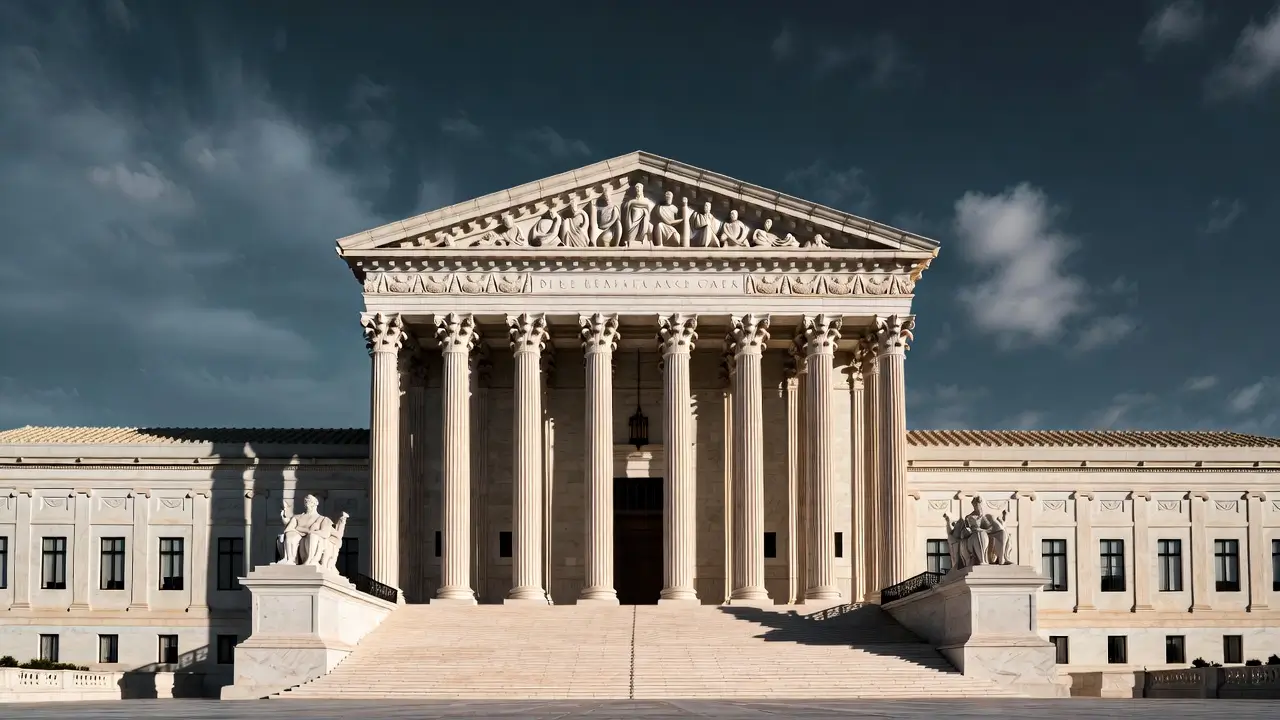
The United States Supreme Court delivered a major blow to President Donald Trump’s trade policy by striking down his broad tariffs in a 6-3 decision, finding that the administration overstepped its authority without sufficient congressional approval. This ruling reportedly entitles companies that paid the duties to seek full refunds from the government, potentially costing taxpayers billions. At the center of the fallout is Cantor Fitzgerald, a Wall Street firm now led by the sons of Commerce Secretary Howard Lutnick, which had been acquiring rights to these refunds at steep discounts.
The decision caps years of legal challenges to the tariffs.
FYI, we add facts to stories that often miss them. Join our Substack for ad-free updates on tariffs or become a reporter and report any tariff developments yourself.
Cantor Fitzgerald, under the leadership of Brandon and Kyle Lutnick, reportedly purchased claims to potential refunds from importers struggling with the duties, offering 20 to 30 percent of the paid amounts in exchange for the rights. For instance, a company that shelled out $10 million in tariffs might have received $2 million to $3 million upfront from the firm, transferring any future refund entitlement. Documents reviewed by media outlets indicate the firm positioned itself to handle hundreds of millions in such trades, betting on a court reversal despite Howard Lutnick’s public advocacy for the tariffs as commerce secretary.
Critics, reportedly including Democratic senators Ron Wyden and Elizabeth Warren, have raised alarms over potential conflicts of interest, alleging that the family’s involvement could involve insider knowledge given Howard Lutnick’s role in shaping trade policy.
The Supreme Court’s opinion, authored by a conservative-leaning justice, emphasized limits on executive power in trade matters, stating that emergency declarations used to justify the tariffs lacked adequate justification. This reportedly opens the door for refund claims totaling over $50 billion across affected industries, from manufacturing to agriculture. Cantor Fitzgerald’s strategy, described in investor communications as a calculated risk on judicial outcomes, now stands to yield returns of three to five times the initial outlays, according to estimates from financial analysts.
While the firm maintains its actions were legal and transparent, the timing has sparked investigations into possible insider trading.
Media reporting for this story: 42% Left | 18% Right | 29% Center | 11% Unrated

