Follow TNGB
US Secures $500 Billion from Taiwan for Semiconductor Expansion

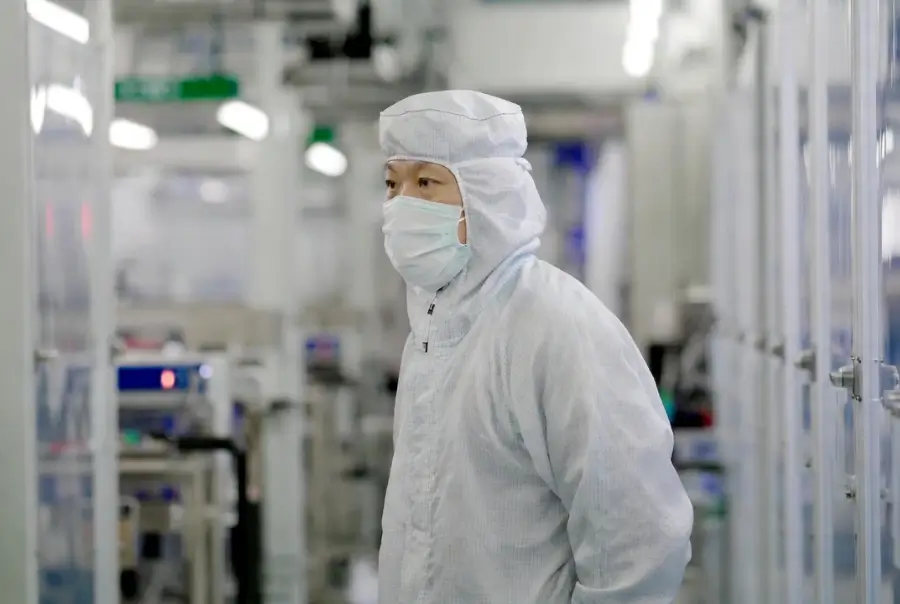
The announcement of a major trade agreement between the United States and Taiwan marks a pivotal shift in the global semiconductor landscape. With tensions rising over supply chain vulnerabilities, this deal reportedly aims to fortify American manufacturing capabilities through unprecedented financial support from Taipei. Officials from both sides have highlighted the mutual benefits, emphasizing how such collaboration could safeguard technological advancements against geopolitical uncertainties.
At the heart of this accord lies a commitment from Taiwan to channel substantial resources into the US semiconductor industry. Reportedly, the total pledge amounts to 500 billion dollars, split evenly between direct investments and credit guarantees. This infusion is expected to accelerate the expansion of advanced fabrication facilities on American soil, addressing long-standing concerns about overreliance on overseas production.
The move comes amid broader efforts to reshore critical technologies. Taiwanese firms, long dominant in chip manufacturing, are now poised to deepen their footprint in the United States. This strategic pivot not only promises job creation but also enhances national security by diversifying production hubs away from potential conflict zones.
The Core Elements of the Agreement
Under the terms of the deal, the US has agreed to reduce tariffs on Taiwanese goods from 20 percent to 15 percent, aligning them with rates applied to imports from Japan and South Korea. This reduction is reportedly conditional on Taiwan fulfilling its investment obligations, with mechanisms in place to enforce compliance. US Commerce Secretary Howard Lutnick stated that if Taiwan fails to build facilities in the US, tariffs could escalate, while successful implementation would allow tariff-free imports of chips produced domestically.
The investment breakdown reveals a focused approach. Taiwan’s technology sector will reportedly commit 250 billion dollars in direct investments to expand operations in advanced semiconductors, energy, and artificial intelligence. An additional 250 billion dollars will come in the form of credit guarantees to bolster the broader US semiconductor supply chain. These funds are anticipated to support the construction of new fabrication plants and related infrastructure.
Key player TSMC, the world’s leading chipmaker, is at the forefront of this initiative. The company has already acquired hundreds of acres near its existing Arizona plant and plans to develop large-scale semiconductor industrial parks. This expansion builds on prior commitments, including a 65 billion dollar investment in Phoenix facilities announced in previous years, now amplified under the new agreement.
Economic Impacts on the US
This influx of capital is projected to generate thousands of high-skilled jobs in the semiconductor sector. Regions like Arizona, already hosting TSMC’s operations, stand to benefit from increased economic activity, including construction, manufacturing, and ancillary services. Local economies could see a ripple effect, with boosts in housing, education, and community development as workers relocate.
Beyond immediate job creation, the deal reportedly aims to strengthen the US position in global tech markets. By enhancing domestic production capacity, America could reduce import dependencies and mitigate risks from supply disruptions, such as those experienced during past shortages. This resilience is crucial for industries reliant on chips, from consumer electronics to automotive manufacturing.
Investors have responded positively, with shares of semiconductor firms showing gains following the announcement. However, challenges remain, including the high costs of building advanced fabs and the need for skilled labor. US officials have emphasized the importance of workforce training programs to maximize the deal’s benefits.
Geopolitical Ramifications
The agreement underscores the strategic alliance between the US and Taiwan amid escalating tensions with China. Beijing claims Taiwan as its territory, and semiconductors have become a flashpoint in US-China relations. By encouraging Taiwanese investments in the US, the deal reportedly serves to decouple critical supply chains from potential Chinese influence.
This move aligns with broader US policies, such as the CHIPS and Science Act, which have already funneled billions into domestic semiconductor development. Taiwan’s commitment reinforces these efforts, signaling a united front against technological dominance by adversaries.
Critics, however, question whether the deal adequately protects Taiwan’s own interests. Some argue that shifting advanced production to the US could expose Taiwanese firms to new vulnerabilities, though officials maintain that core technologies will remain safeguarded.
Future Prospects and Challenges
Looking ahead, the successful implementation of this deal could set a precedent for similar agreements with other allies. As AI and other emerging technologies drive demand for advanced chips, the US-Taiwan partnership may inspire collaborations that further globalize secure supply chains.
Nevertheless, hurdles such as regulatory approvals and environmental reviews could delay progress. TSMC’s CEO has expressed caution about overinvestment, noting the need to verify sustained demand to avoid financial pitfalls.
Ultimately, the agreement represents a bold step toward technological sovereignty. With careful execution, it could usher in a new era of innovation, ensuring that the US remains at the forefront of the semiconductor revolution.
Recent news coverage of this US-Taiwan semiconductor trade deal shows a concentration in business and technology-focused outlets. Projections indicate that center-biased sources dominate the reporting, given the topic’s economic nature, while left and right-leaning media provide varied perspectives on geopolitical angles. Unrated specialized sites contribute niche insights.
Media reporting for this story: 12% Left | 18% Right | 55% Center | 15% Unrated
FYI, I add facts to stories that often miss them. Join our Substack for ad-free updates on US-Taiwan Semiconductor Deal or become a reporter and report any US-Taiwan Semiconductor Deal developments yourself.