Follow TNGB
US Coast Guard Pauses Tanker Seizure After Crew Paints Russian Flag

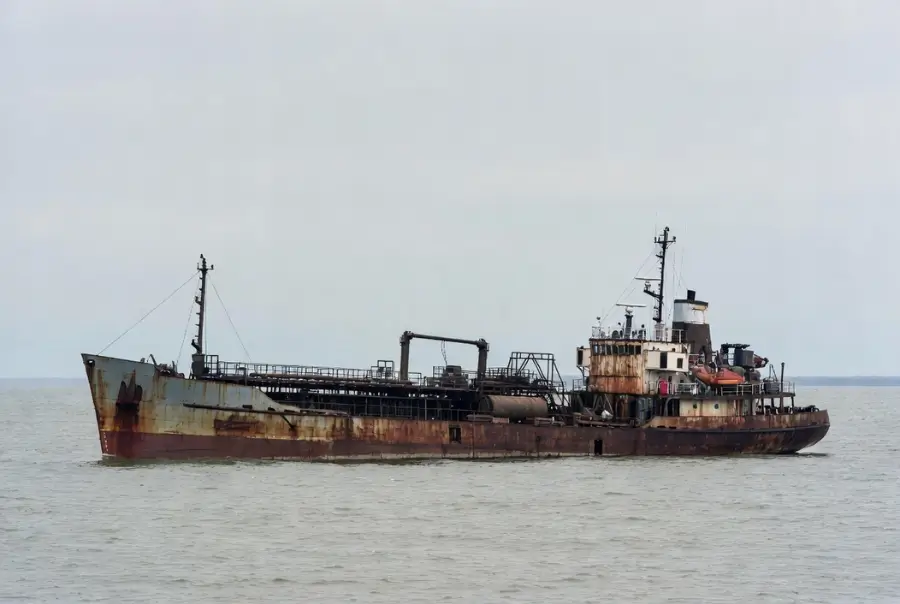
In a high-stakes maritime pursuit unfolding across the Atlantic, the United States Coast Guard has reportedly paused its efforts to seize the oil tanker Bella 1 following the appearance of a Russian flag on its hull. The vessel, part of a shadowy network evading international sanctions, became the focus of American enforcement actions aimed at disrupting illicit oil trades linked to Venezuela, Iran, and Russia. This incident highlights the complexities of enforcing sanctions in international waters, where national affiliations can shift rapidly to complicate operations.
The Bella 1, an aging very large crude carrier owned by a Turkish company, has been under U.S. sanctions since last year for allegedly transporting Iranian oil. Federal authorities claim these shipments fund designated terrorist organizations, including Hezbollah and the Houthis. As part of a broader campaign under President Donald Trump to isolate Venezuela economically, the Coast Guard targeted the tanker as it approached Venezuelan waters to load crude oil. Officials obtained a seizure warrant, viewing the ship as stateless due to its use of an invalid flag.
On December 21, 2025, Coast Guard vessels attempted to intercept the Bella 1 in the Caribbean Sea. The tanker, reportedly carrying no cargo at the time, refused to comply and accelerated away, initiating a prolonged chase. Crew members, primarily from Russia, India, and Ukraine, executed a sharp U-turn and deactivated the ship’s transponder, making tracking more challenging. U.S. forces have maintained a half-mile distance, shadowing the vessel as it veered northwest, possibly toward Greenland or Iceland.
The turning point came when the crew allegedly painted a crude Russian flag on the tanker’s side. American officials, speaking anonymously, described this as a deliberate tactic to claim Russian protection and deter boarding. Under international maritime law, such as the United Nations Convention on the Law of the Sea, boarding a vessel flying a legitimate national flag requires careful diplomatic consideration to avoid escalation. Experts note that merely painting a flag does not confer nationality; registration must be verified through official channels.
Retired Rear Admiral Fred Kenney, a former director at the International Maritime Organization, reportedly emphasized that the U.S. is likely engaging diplomatic efforts to confirm the tanker’s status. If Russia has retroactively registered the Bella 1 without standard inspections, it could be an attempt to provoke confrontation. Eugene Fidell, a Yale Law School scholar and ex-Coast Guard judge advocate, suggested Moscow might waive formalities to challenge American actions.
This episode fits into the larger context of the “shadow fleet,” a term for aging tankers with opaque ownership structures that transport sanctioned oil to markets in China, Cuba, and India. The Bella 1’s links to Iran’s Islamic Revolutionary Guard Corps underscore the fleet’s role in sustaining regimes under pressure. The U.S. has successfully seized two other vessels in recent weeks, including one now docked in Texas, demonstrating resolve in the campaign against Venezuela’s oil revenues.
Debate within U.S. agencies reportedly centers on the value of capturing an empty, dilapidated ship. While specialized teams stand ready for forcible boarding, the White House has not yet authorized it, weighing potential diplomatic fallout with Russia. Venezuelan President Nicolás Maduro has not commented directly on the incident but has highlighted increased security measures against perceived U.S. aggression, including claims of downing drug-trafficking aircraft.
The pause in operations reflects broader geopolitical tensions. Russia’s involvement, even symbolically, adds a layer of complexity amid ongoing strains over Ukraine and other issues. Analysts argue that allowing such evasion tactics to succeed could embolden other vessels in the shadow fleet, undermining the effectiveness of sanctions designed to curb funding for adversarial activities.
As the Bella 1 continues its journey, U.S. officials indicate the ship is unlikely to return to Venezuela, potentially leading to the abandonment of the seizure effort. Assets remain on standby, however, should new orders come. This incident serves as a reminder of the fluid nature of international enforcement, where a simple act like painting a flag can alter the course of a meticulously planned operation.
Media reporting for this story: 38% Left | 22% Right | 25% Center | 15% Unrated
FYI, I add facts to stories that often miss them. Join our Substack for ad-free updates on shadow fleet sanctions or become a reporter and report any shadow fleet sanctions developments yourself.