Follow TNGB
Bondi Faces Fire Over Epstein Files in Senate Clash

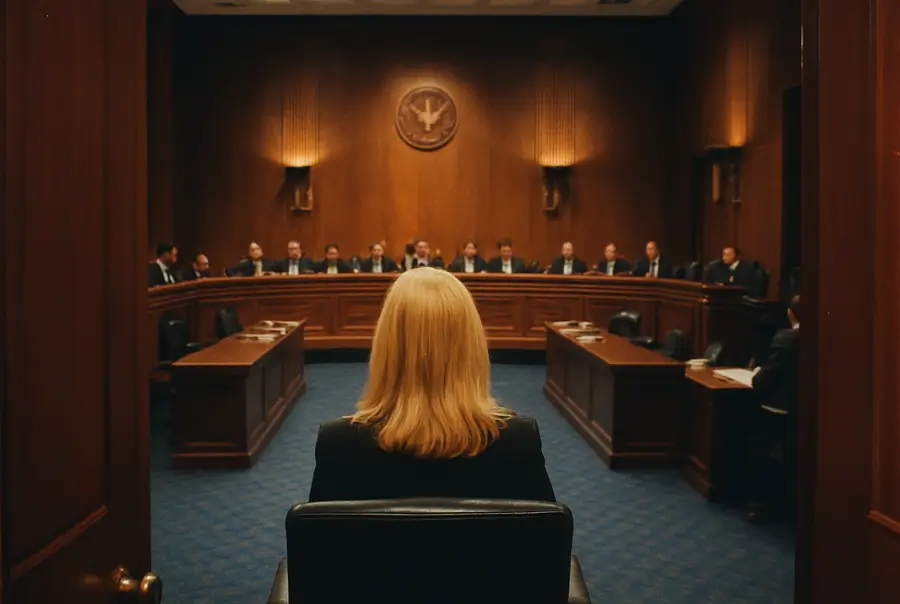
WASHINGTON – Attorney General Pam Bondi traded sharp words with Democratic senators on Tuesday as they pressed her on the Justice Department’s handling of Jeffrey Epstein’s files during a tense oversight hearing. The exchange highlighted ongoing tensions over transparency in high-profile investigations that have lingered since Epstein’s 2019 death in federal custody.
Bondi, a longtime ally of President Donald Trump who took office as attorney general in February after a narrow Senate confirmation, arrived prepared to defend her department’s actions. She accused critics of politicizing the Epstein case for partisan gain, pointing to what she called delays caused by previous administrations.
The hearing before the Senate Judiciary Committee lasted nearly five hours and covered a range of topics, from the prosecution of former FBI Director James Comey to broader concerns about the DOJ’s independence. Senators like Dick Durbin of Illinois led the charge, demanding details on why certain Epstein documents remain sealed despite public outcry.
Epstein, the financier convicted of sex trafficking who died by suicide while awaiting trial, left behind a web of connections to powerful figures that has fueled conspiracy theories for years. Court documents unsealed in early 2024 named associates like Bill Clinton and Prince Andrew, but many believe more records hold key revelations about the extent of his network.
Under Bondi’s watch, the DOJ began releasing batches of Epstein-related files to Congress in August, including over 33,000 pages handed to the House Oversight Committee. Lawmakers from both parties praised the move as a step toward accountability, though some Democrats argued the materials were mostly recycled from prior disclosures and lacked fresh insights.
Durbin specifically grilled Bondi on flight logs from Epstein’s private jet, known as the “Lolita Express,” which she claimed Republicans had repeatedly requested but were blocked by Senate Democrats during earlier sessions. Bondi shot back that ongoing reviews were necessary to protect victim privacy and national security, a stance that drew applause from GOP members.
The attorney general also faced questions about a recent decision to pursue charges against Comey over alleged leaks during the 2016 election probe. She dismissed the inquiries as attempts to undermine her leadership, insisting the case stemmed from evidence uncovered in routine reviews, not political retribution.
Republicans on the committee rallied to Bondi’s defense, with Senator Lindsey Graham of South Carolina calling the Democratic line of questioning a “witch hunt” reminiscent of past impeachments. The hearing underscored deep partisan divides in overseeing the nation’s top law enforcement agency at a time when trust in federal institutions remains low.
As the session wrapped, Bondi reiterated her commitment to rooting out corruption without fear or favor, echoing Trump’s calls for draining the swamp. Yet, her evasive responses on specifics left some observers questioning whether full transparency on Epstein will ever materialize.
The clash comes amid broader scrutiny of the DOJ’s priorities, including immigration enforcement and antitrust actions against big tech. With midterm elections looming, both sides are positioning the hearing as a preview of battles over government accountability.
Victim advocates watching from the sidelines expressed mixed feelings, welcoming any light on Epstein’s crimes but wary of how politics might overshadow justice for survivors. Bondi’s tenure, now eight months in, will likely face more such tests as demands for declassification grow louder.
In a post-hearing statement, the DOJ emphasized its progress on transparency initiatives while urging patience in sensitive matters. The episode serves as a stark reminder of the delicate balance between openness and operational secrecy in America’s justice system.