Follow TNGB
White House to Reshuffle Press Briefing Seats

Full Story
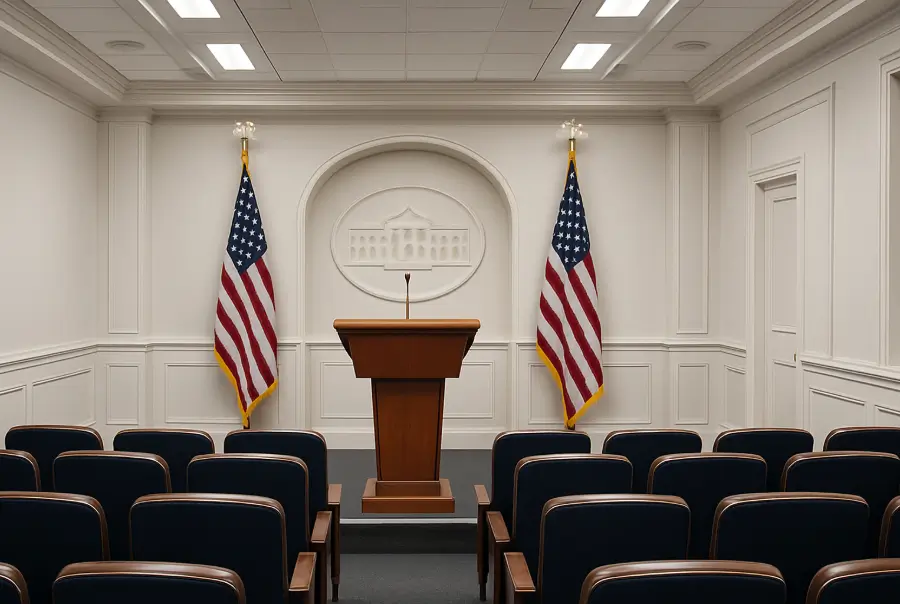
The White House will soon rearrange seating for reporters in its briefing room, prioritizing newer outlets while moving established ones to less prominent spots. This shift aims to reshape press dynamics amid ongoing tensions with legacy media. The change, expected in weeks, has sparked debate over access and fairness.
The new seating chart will likely favor outlets aligned with the administration’s views. Critics argue this could limit scrutiny from veteran reporters.
MEDIA REPORTING
See how news sources on all sides are covering this story.
Left 33% | Right 25% | Center 29% | Unrated 13%
The Context
Established media have long held front-row seats in the briefing room. The proposed changes may reduce their visibility during televised briefings.
The White House has not detailed how seats will be assigned. Past administrations have used press corps seniority to determine placement.
The briefing room, located in the West Wing, hosts daily press interactions. Its seating reflects influence and access to officials.
Some newer outlets may gain prominence with better seats. This could amplify their reach in covering administration policies.
The move follows complaints about biased reporting from legacy media. President Trump has often criticized outlets for unfair coverage.
Opinions on the change vary widely among journalists and observers. Some see it as a needed shake-up; others view it as punishing critics.
Coverage Details
| Total News Sources | 24 |
| Left | 8 |
| Right | 6 |
| Center | 7 |
| Unrated | 3 |
| Bias Distribution | 33% Left |
Relevancy
Last Updated