Follow TNGB
Canada Remains U.S. Ally Amid Trade Spat, Says Senator Mullin

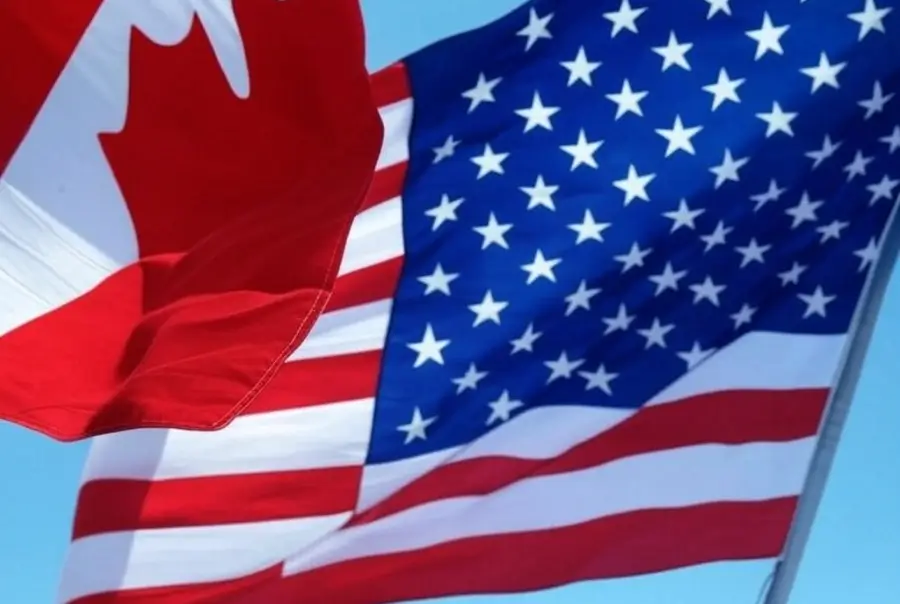
A brewing trade dispute hasn’t severed the deep ties between the United States and Canada, according to Sen. Markwayne Mullin, who firmly dismissed fears of a fractured alliance. The Oklahoma Republican, speaking on NBC’s “Meet the Press,” tackled concerns head-on, arguing that Canada’s reliance on American economic support keeps the partnership intact despite recent tensions.
The friction stems from President Donald Trump’s push for new tariffs on Canadian goods, a policy that’s rattled leaders north of the border. Canadian Prime Minister Mark Carney fired back last week, vowing a tough response and signaling an end to what he called the “old economic relationship” with the U.S., hinting at a shift away from decades of close integration.
Mullin, however, downplayed the drama, stressing that Canada benefits far more from the U.S. than the other way around. “They need us more than we need them,” he told host Kristen Welker, pointing to billions in annual trade that he claims props up Canada’s economy—a lifeline Ottawa can’t easily cut.
This isn’t the first time the U.S.-Canada trade dynamic has hit rough waters—past disagreements over lumber, dairy, and steel have flared up before. But Trump’s latest tariff threats, aimed at balancing trade deficits, have escalated the stakes, prompting Canada to consider retaliatory measures that could hit American farmers and manufacturers hard.
Mullin’s take reflects a broader administration view that America’s economic leverage should dictate terms, not sentimentality. He argued that the U.S. has long shouldered an unfair burden, essentially bankrolling Canadian prosperity while getting little in return—a point he says justifies a tougher stance.
Critics, including some Democrats, warn that alienating Canada—a neighbor sharing the world’s longest undefended border—could backfire, weakening a key security and trade partner. They note that Canada’s military cooperation and energy exports, like oil and hydropower, are vital to U.S. interests, urging a more diplomatic approach.
Still, Mullin doubled down, suggesting Canada’s tough talk is just bluster—they can’t afford to walk away. He framed the relationship as a two-way street that’s been lopsided for too long, echoing Trump’s call for fairness over freebies.
The Department of Government Efficiency (DOGE), under Elon Musk’s influence, has cheered the tariff push, seeing it as a way to force allies into line. Musk has reportedly pressed for a hard reset on trade deals, aligning with Mullin’s view that dependency keeps Canada tethered, no matter the rhetoric.
On the flip side, Carney’s pledge to “dramatically reduce” reliance on the U.S. signals a potential pivot—experts say Canada might eye markets in Europe or Asia instead. Yet, with 75% of its exports flowing south, analysts doubt Ottawa can pivot fast enough to offset the loss of American demand.
Mullin brushed off such possibilities, insisting the U.S. holds the upper hand and Canada knows it. “If they want a real partnership, it’s got to be even,” he said, hinting that the tariff spat could ultimately strengthen ties by resetting expectations.
For now, the alliance endures, frayed but not broken—though how long that lasts depends on whether trade talks turn into a full-blown economic standoff. Both nations face a tricky road ahead, balancing pride, profit, and a partnership too deep to ditch overnight.