Follow TNGB
Taiwan Commits to Alaska Pipeline with U.S. Gas Purchase Plan

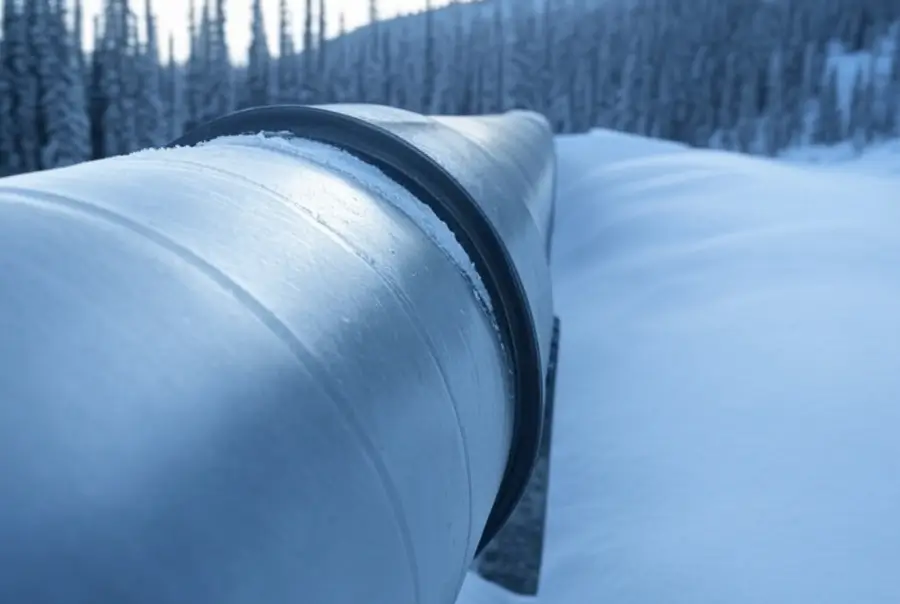
Taiwan President Lai Ching-te announced plans to invest in Alaskas 44 billion dollar natural gas pipeline project. He also committed to purchasing natural gas from the United States strengthening economic ties between the two nations. The move signals a strategic shift toward securing energy from reliable allies amid global uncertainties.
The Alaska LNG project aims to transport gas from the North Slope to an export terminal on the Pacific coast. Taiwans involvement could provide critical funding for a venture long stalled by high costs and logistical challenges. President Lai sees this as a win for both energy security and international partnerships.
During discussions with U.S. officials Lai emphasized the benefits of sourcing gas closer to Asia. He highlighted avoiding volatile Middle Eastern routes and reducing reliance on distant suppliers. This aligns with Trumps push to boost American energy exports to friendly nations.
The pipeline has been a priority for the Trump administration which views it as a national security asset. Officials have used maps to illustrate its strategic proximity to Asian markets like Japan and Taiwan. Taiwans pledge could encourage other investors to join the ambitious project.
Economists note the deal could create thousands of jobs in Alaska while stabilizing Taiwans energy supply. It also counters Chinas growing influence in the region by deepening U.S.-Taiwan economic bonds. Some analysts predict this could shift global energy trade patterns over time.
Critics in Taiwan question the financial risk of such a massive investment in a foreign project. Former President Ma Ying-jeou called it a protection fee to appease U.S. demands. However Lai argues the long-term benefits outweigh the costs given rising tensions with Beijing.
U.S. Energy Secretary Doug Burgum hailed the commitment as a game-changer for American gas exports. He stressed the projects potential to reduce Japans dependence on Middle Eastern energy as well. The next step involves finalizing investment terms and gas purchase agreements.
This development marks a bold step for Taiwan as it navigates a complex geopolitical landscape. It also reinforces Trumps vision of America as an energy superpower. The pipeline could become a cornerstone of U.S.-led efforts to secure allies energy needs for decades.
Coverage Details
| Total News Sources | 18 |
| Left | 5 |
| Right | 7 |
| Center | 4 |
| Unrated | 2 |
| Bias Distribution | 39% Right |
Relevancy
Last Updated