
Follow TNGB
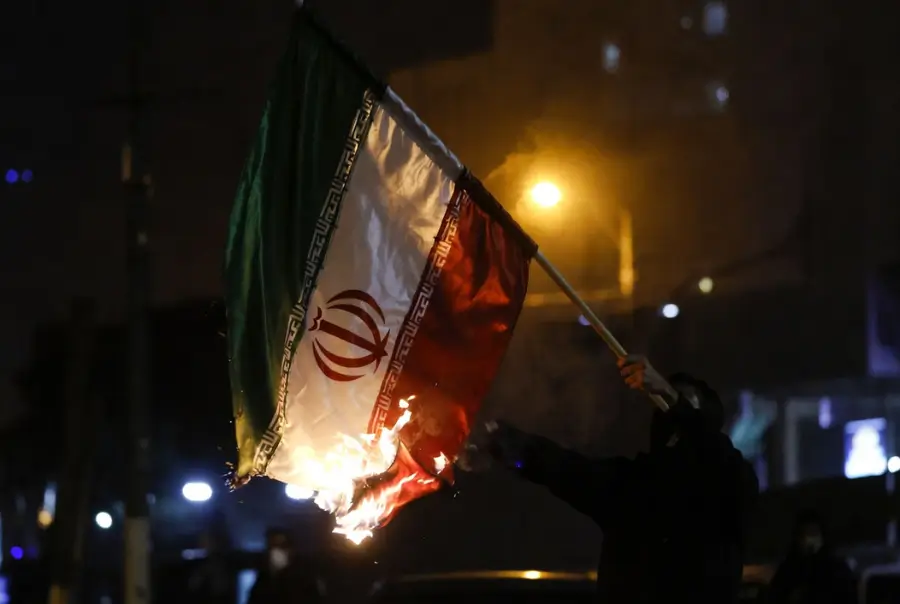
Economic Collapse Ignites Nationwide Uprising Against Iran’s Rulers

Widespread demonstrations have engulfed Iran, marking the seventh consecutive day of unrest driven by severe economic hardships. Beginning in Tehran’s historic Grand Bazaar on December 27, 2025, shopkeepers shuttered their businesses in protest against skyrocketing inflation and a plummeting currency value. Reportedly, the Iranian rial hit a record low against the U.S. dollar, exacerbating the cost-of-living crisis that has left many families struggling to afford basic necessities. As the movement gained momentum, it spread to at least 17 provinces, drawing in students, workers, and ordinary citizens from diverse backgrounds.
Security forces have clashed with demonstrators in several cities, including Shiraz and Isfahan, where tear gas and arrests have been reported. According to state media and human rights groups, at least seven people have lost their lives in these confrontations, with dozens more detained. Iran’s prosecutor general warned that any attempts to exploit the protests for destructive purposes would face legal repercussions, emphasizing a proportionate response to maintain order.
President Masoud Pezeshkian has publicly acknowledged the legitimacy of the protesters’ grievances, urging his government to address the underlying issues promptly. In a televised address, he reportedly stated that internal shortcomings, rather than external forces alone, bear responsibility for the nation’s woes. He called for unity and dialogue, promising reforms to stabilize prices and combat corruption, even as chants for regime change echoed through the crowds.
The economic turmoil stems from a combination of long-standing Western sanctions, recent military escalations, and domestic policy missteps. Inflation reportedly hovers around 40 percent, while energy shortages and water scarcity compound the daily hardships faced by millions. Israel’s airstrikes on Iranian facilities in mid-2025, coupled with U.S. involvement, have further strained resources, leading to what Pezeshkian described as a “full-scale war” with adversaries.
Demonstrators’ demands have evolved beyond immediate financial relief, with many openly calling for systemic overhaul. Slogans heard in Tehran and beyond reportedly include criticisms of the supreme leader and pleas for a shift away from the current governance structure. This shift marks a notable escalation from earlier protests, which focused primarily on market closures and price controls.
International reactions have been swift and varied. U.S. President Donald Trump issued a stern warning, stating that American intervention could follow if Iran engages in violent suppression of the unrest. Meanwhile, Israeli officials have monitored the situation closely, with some expressing hopes that internal pressures might weaken the regime.
Despite government concessions, such as the replacement of the central bank governor, skepticism persists among the populace. Abdolnasser Hemmati, the new appointee, faces the daunting task of implementing liberalization measures amid ongoing volatility in currency exchanges. Analysts suggest that without substantial international relief from sanctions, short-term fixes may fall short.
The protests coincide with commemorations of past figures like General Qassem Soleimani, adding a layer of symbolic tension. State-organized events have proceeded, but reportedly with heightened security to prevent disruptions.
As the new year begins, Iran’s leadership grapples with balancing public appeasement and maintaining authority. Pezeshkian’s administration has initiated talks with protest representatives, but outcomes remain uncertain. The coming days will test whether these efforts can de-escalate the situation or if deeper reforms are inevitable.
Human rights organizations continue to document alleged instances of excessive force, urging global oversight. Amnesty International and others have called for independent investigations into the reported fatalities.
The broader Middle East watches closely, as instability in Iran could ripple across the region. Neighboring countries have expressed concern over potential refugee flows and economic spillover effects.
Ultimately, the resolution of this crisis hinges on tangible actions to restore economic stability. Without them, the calls for change may only intensify, challenging the foundations of the Islamic Republic.
Media reporting for this story: 20% Left | 15% Right | 50% Center | 15% Unrated
FYI, I add facts to stories that often miss them. Join our Substack for ad-free updates on Iran Protests or become a reporter and report any Iran Protests developments yourself.


